YOU CAN’T GO HOME AGAIN, 2015-2016
The tarantula, the adder, and the asp will also never change. Pain and death will always be the same. But under the pavements trembling like a pulse, under the buildings trembling like a cry, under the waste of time, under the hoof of the beast above the broken bones of cities, there will be something growing like a flower, something bursting from the earth again, forever deathless, faithful, coming into life again like April.
Thomas Wolfe, You Can't Go Home Again
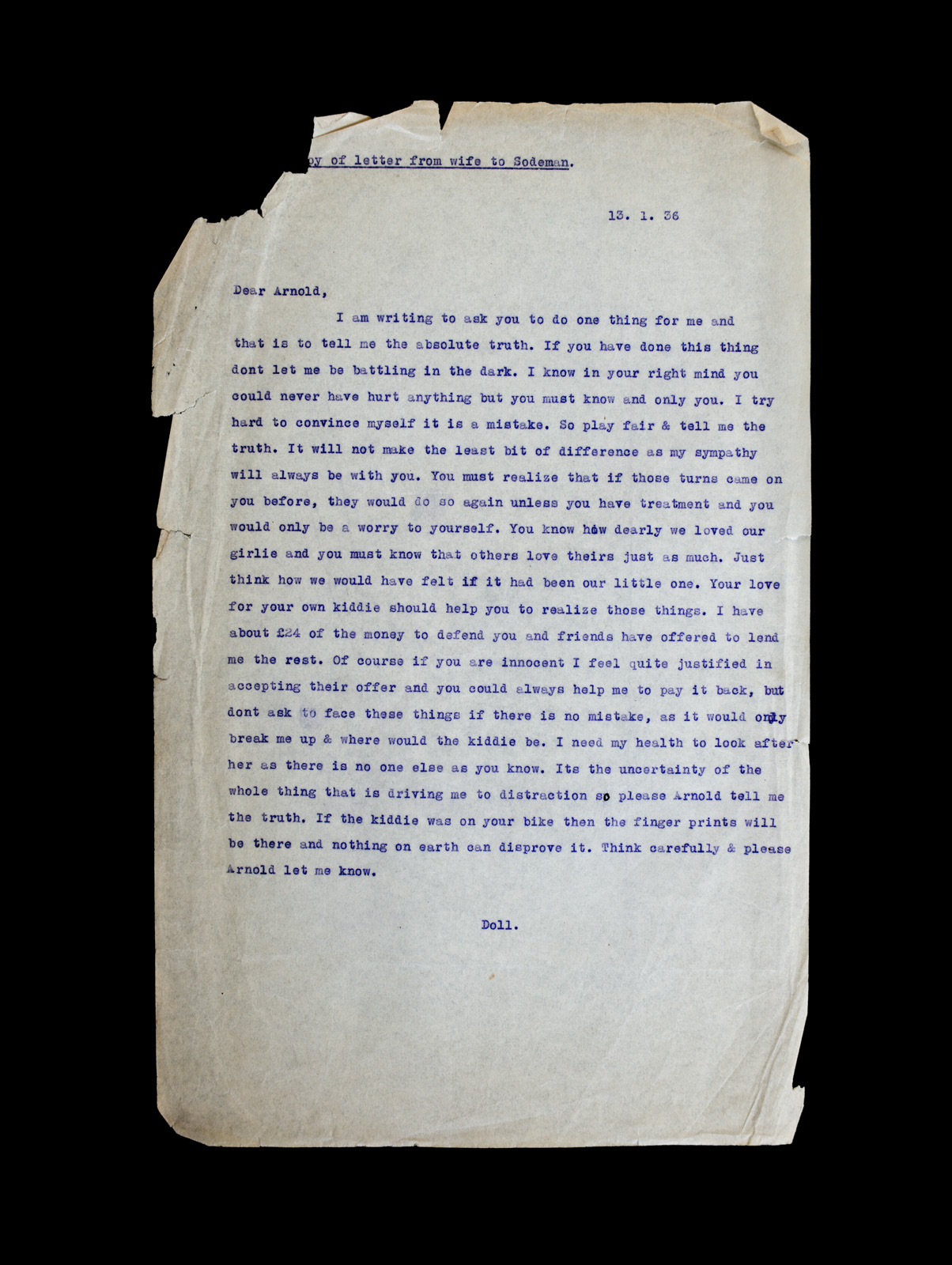
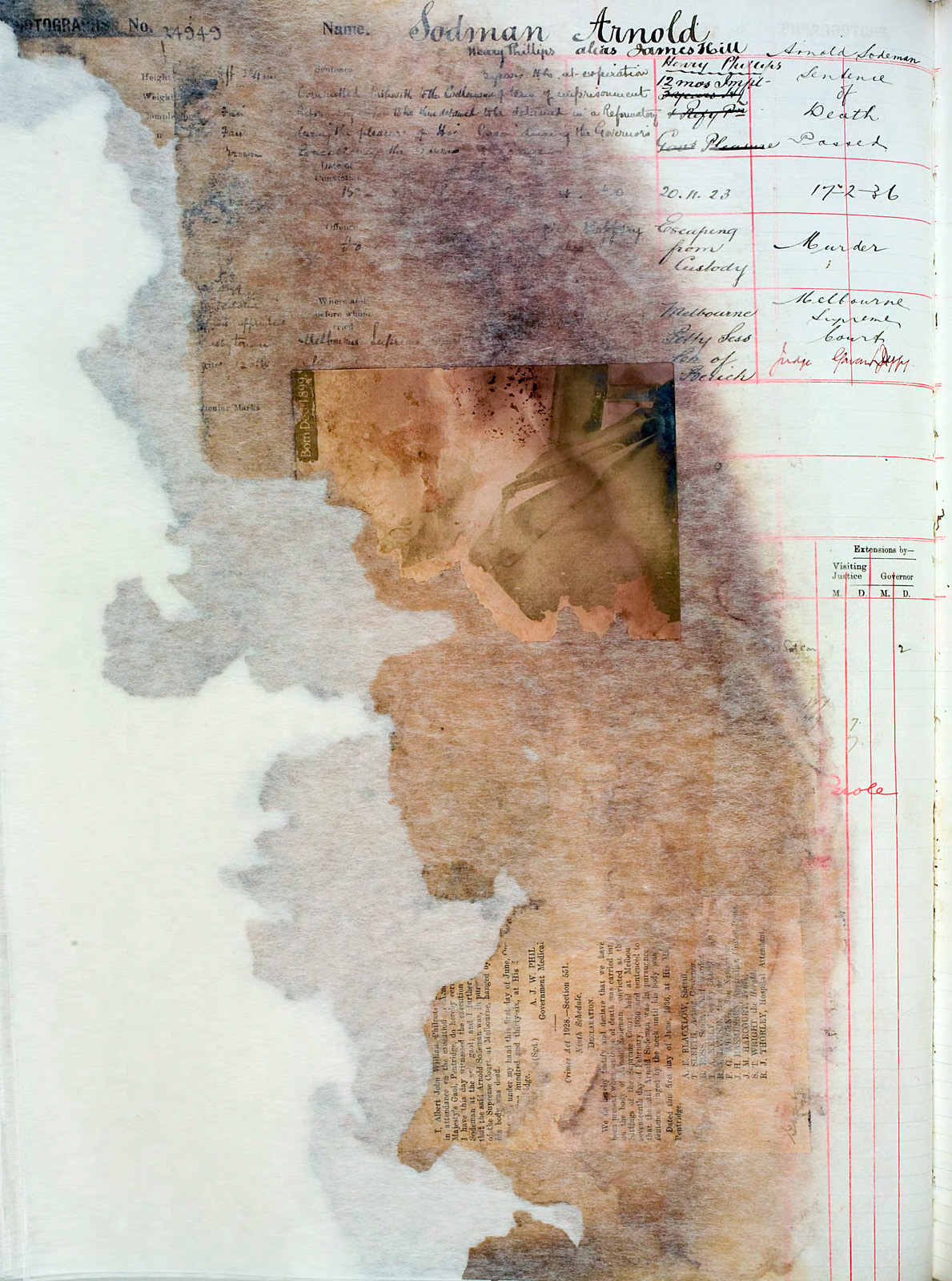
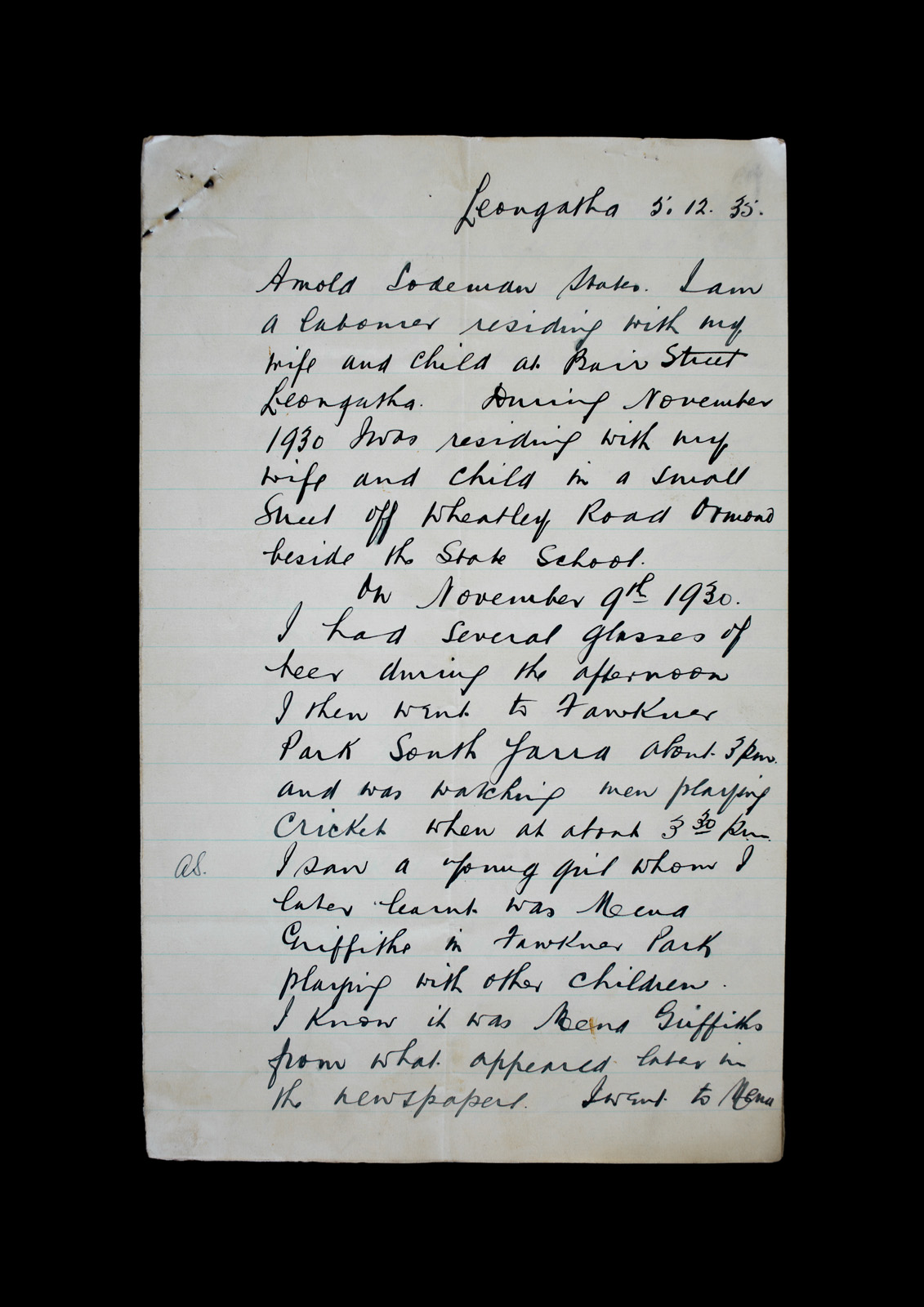
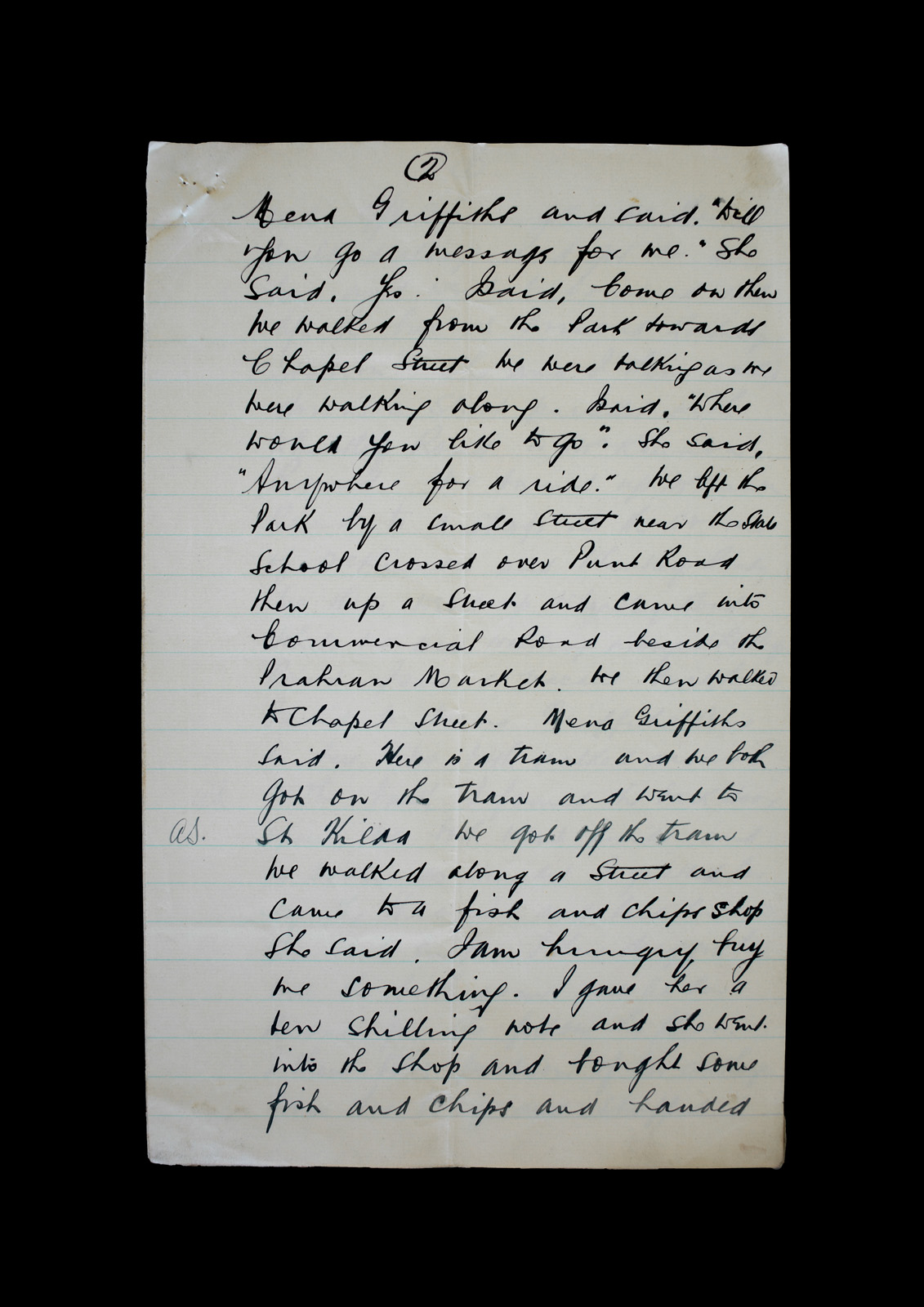
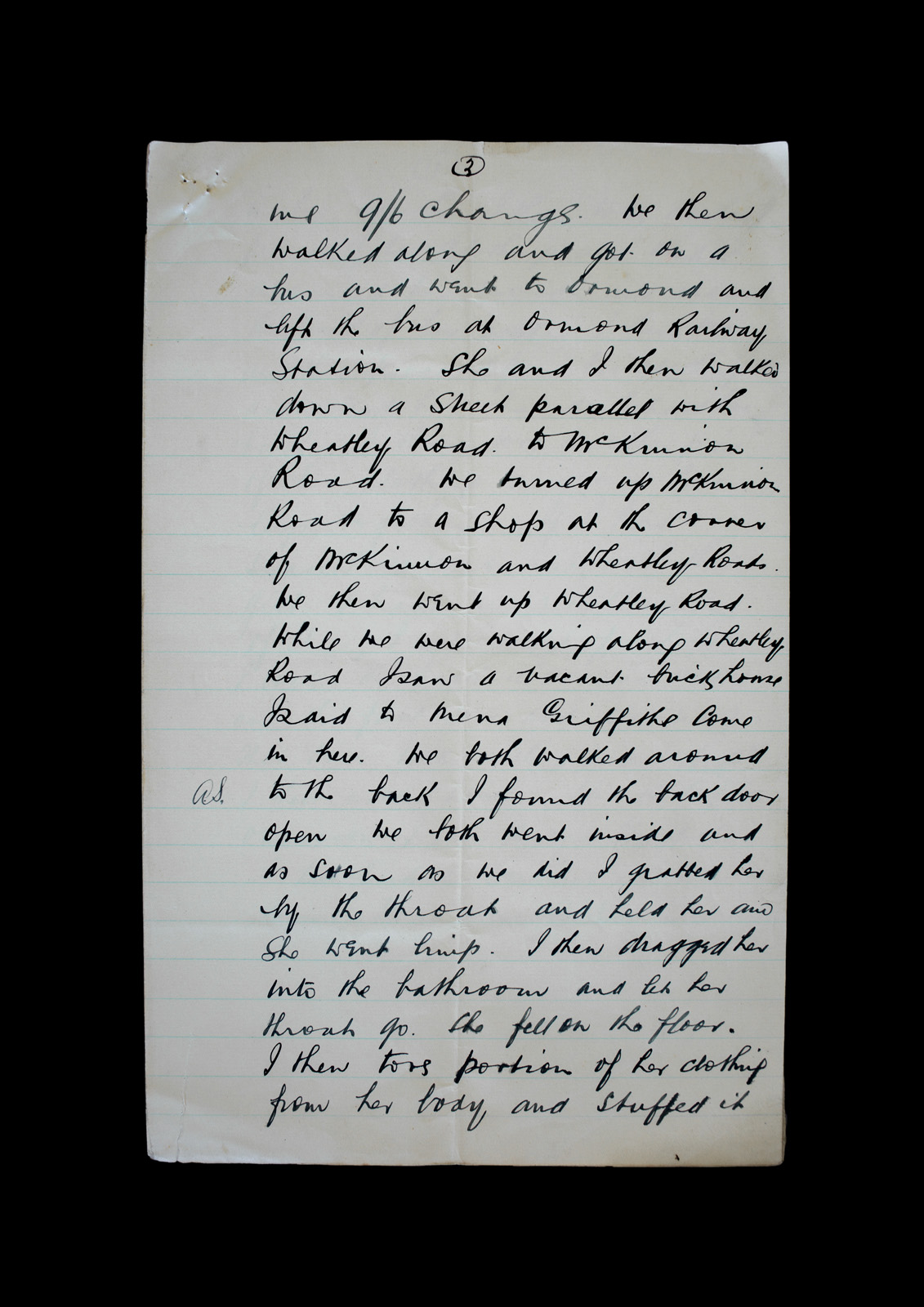
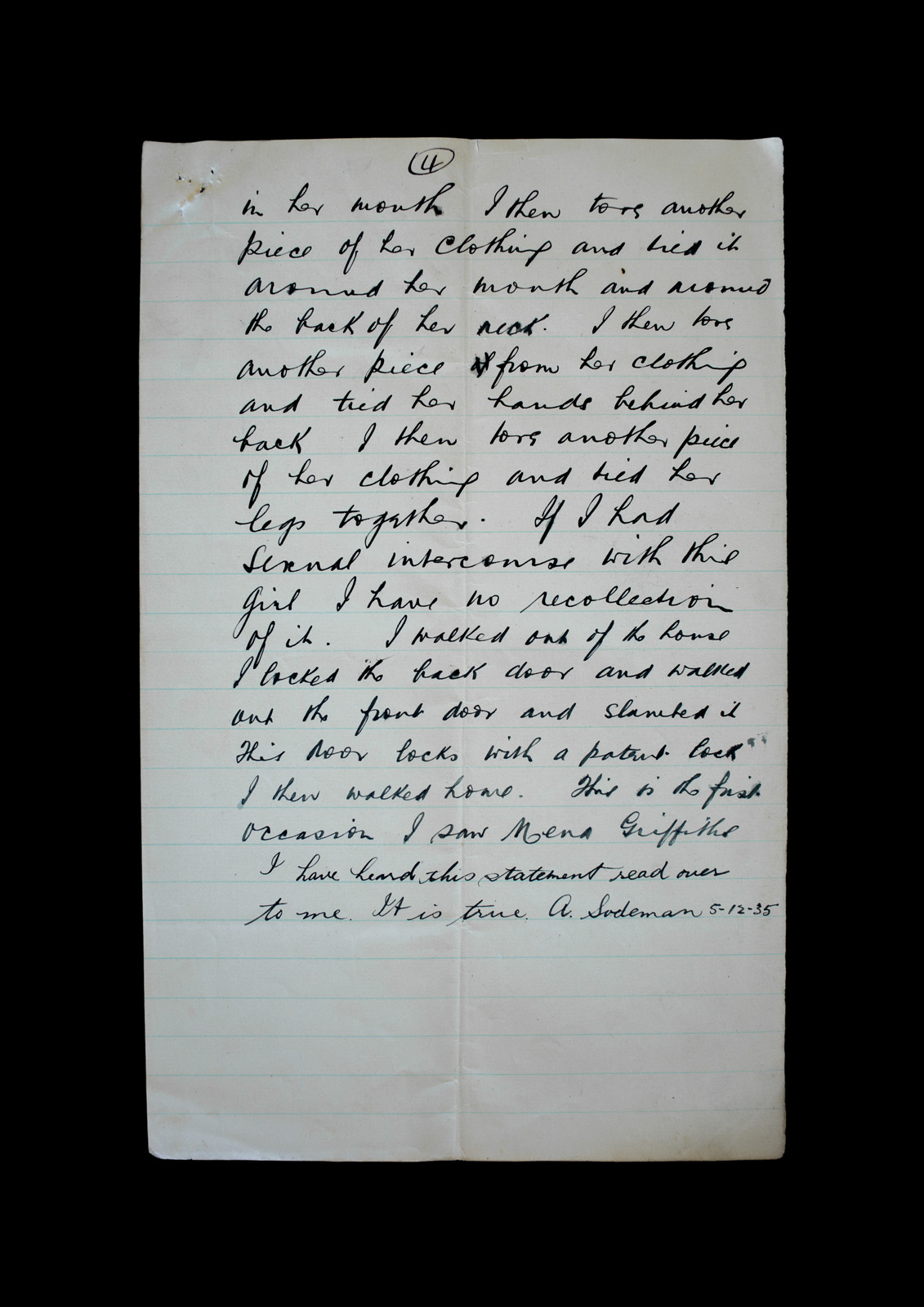
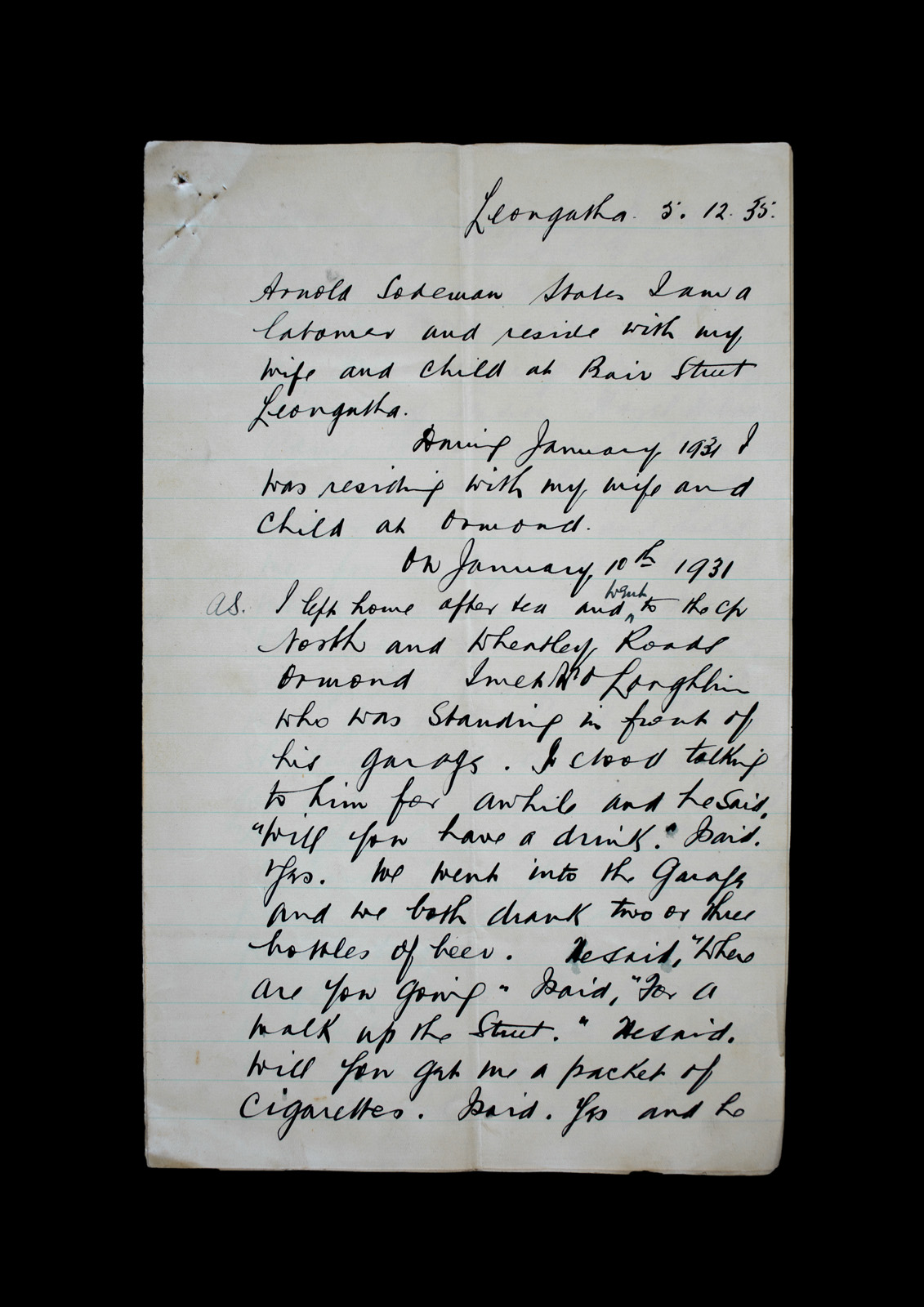
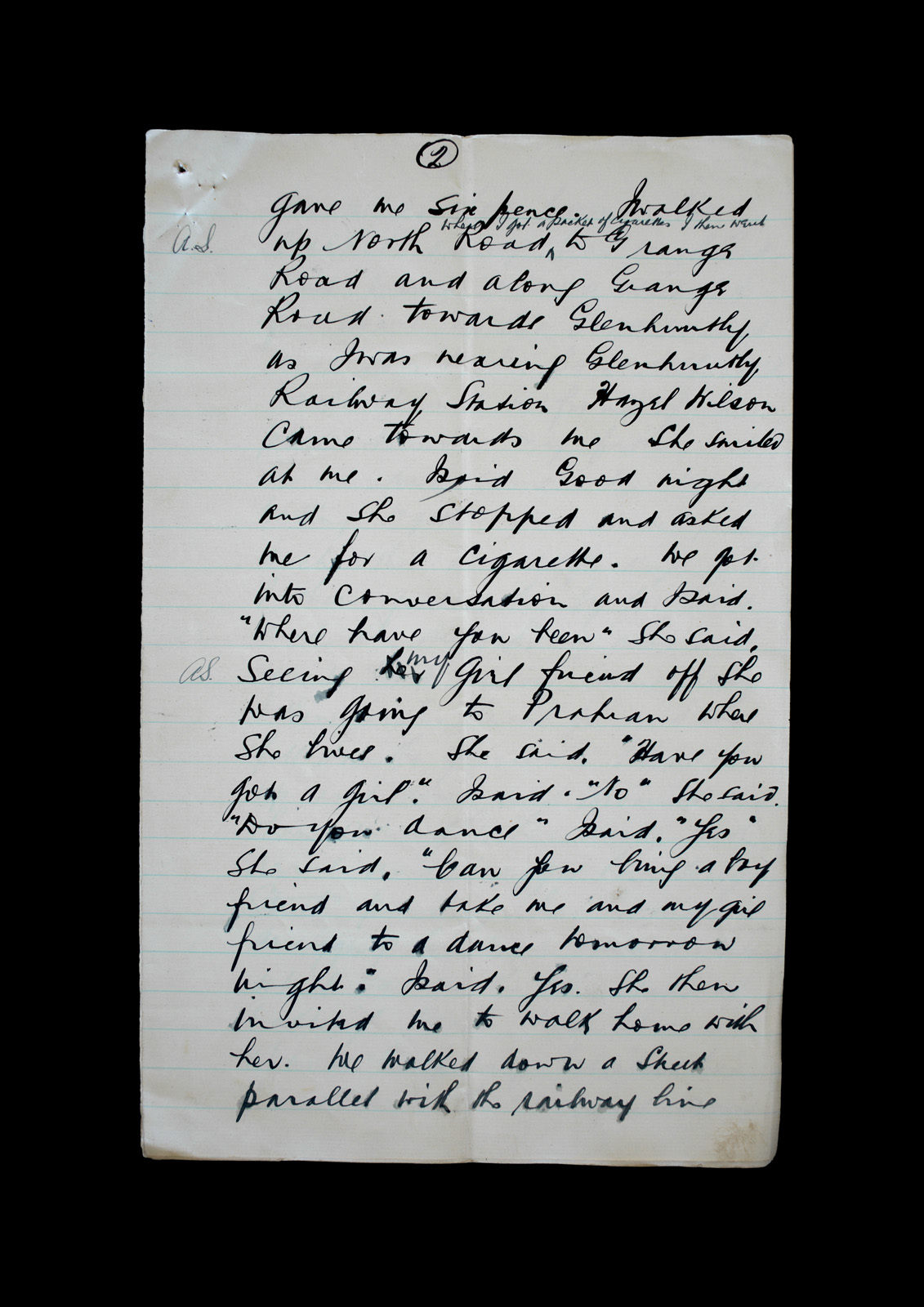
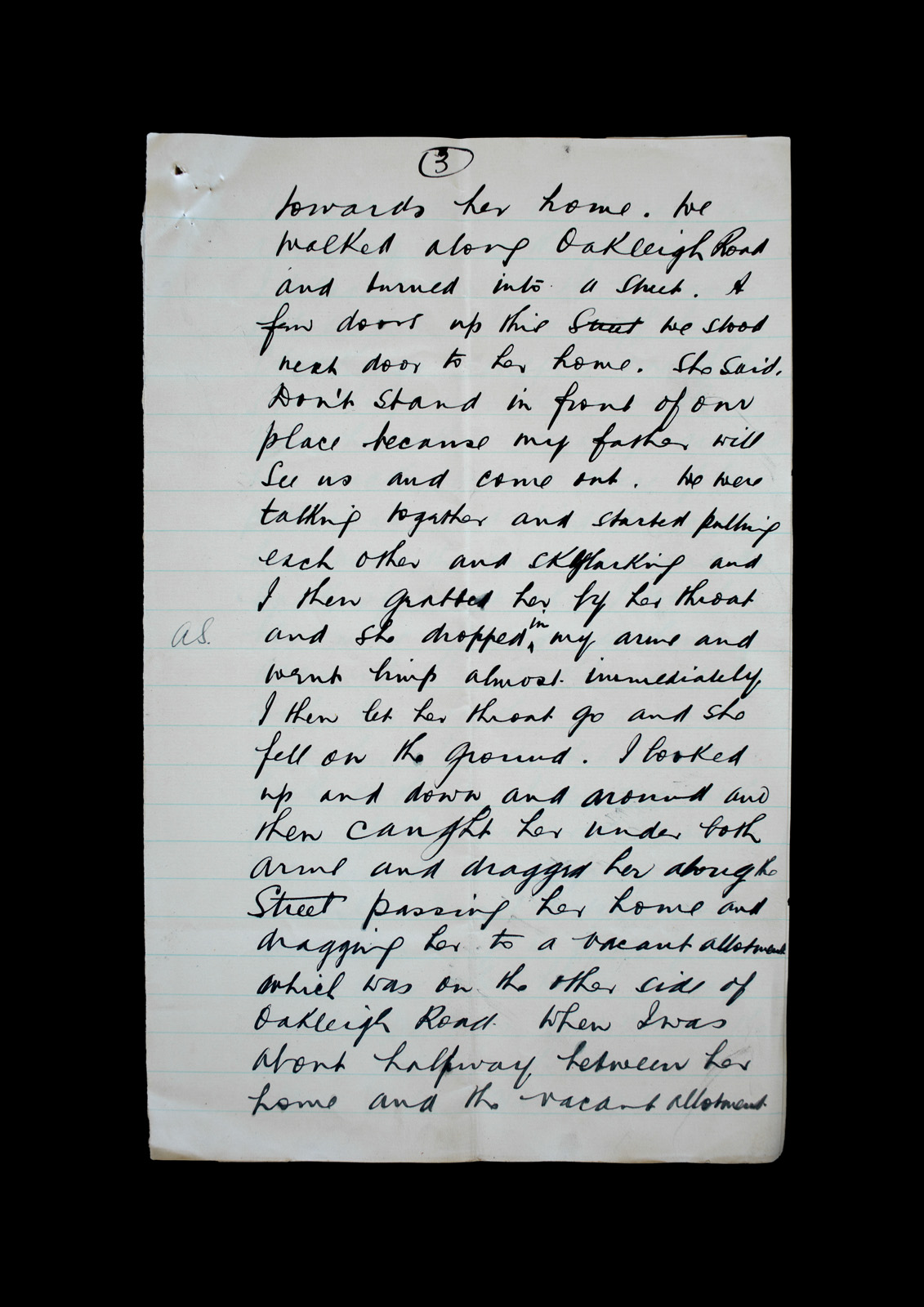
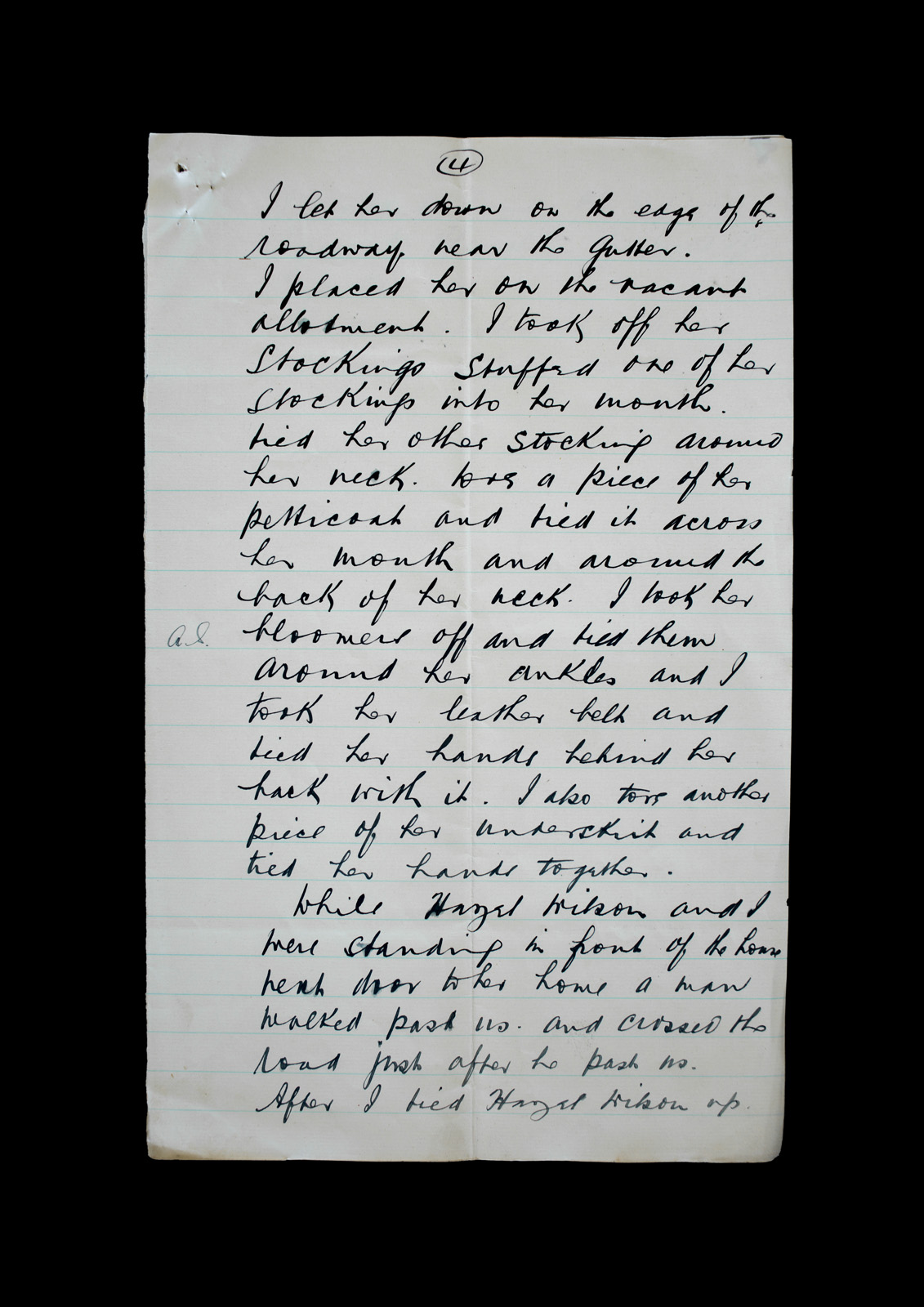
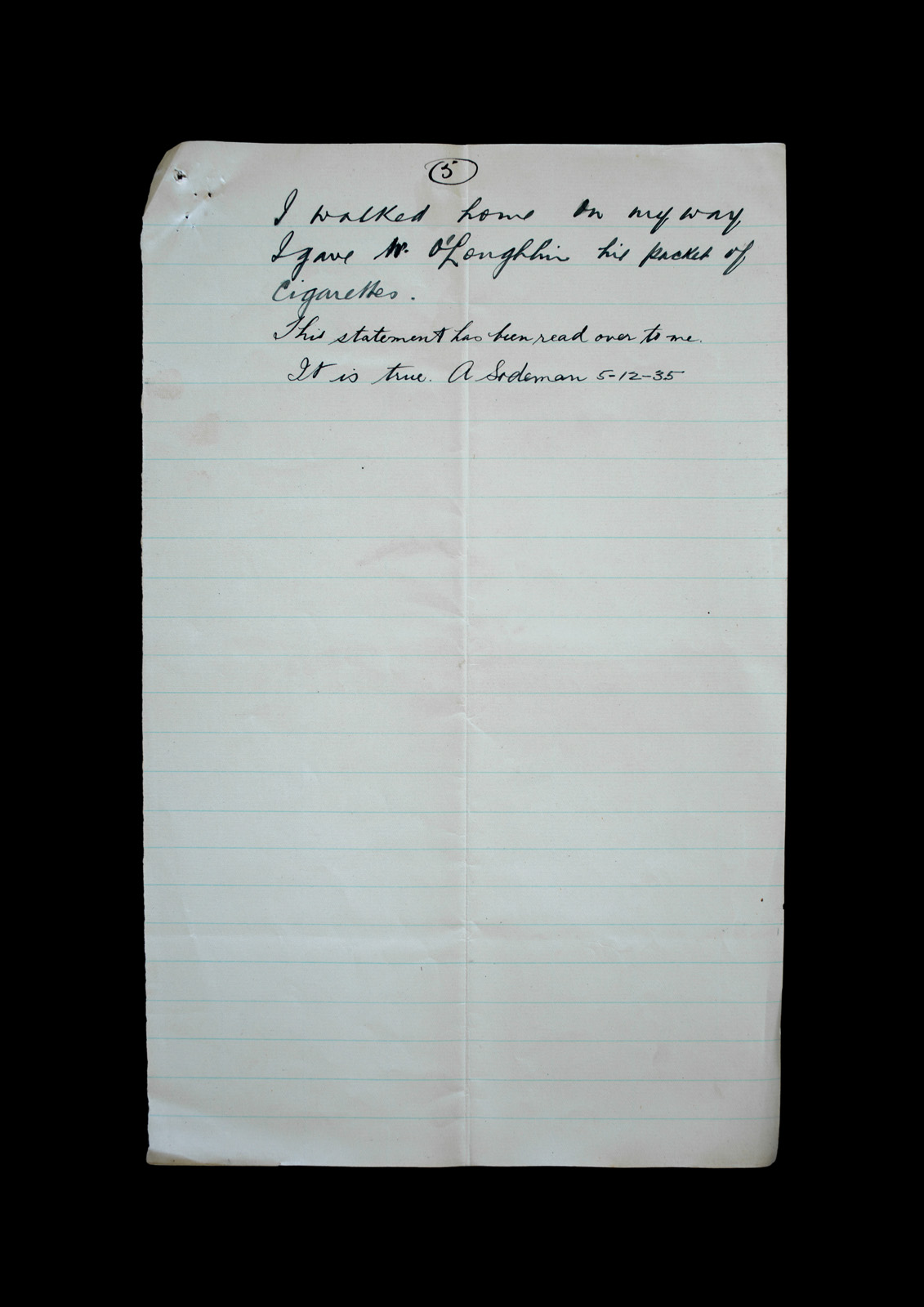
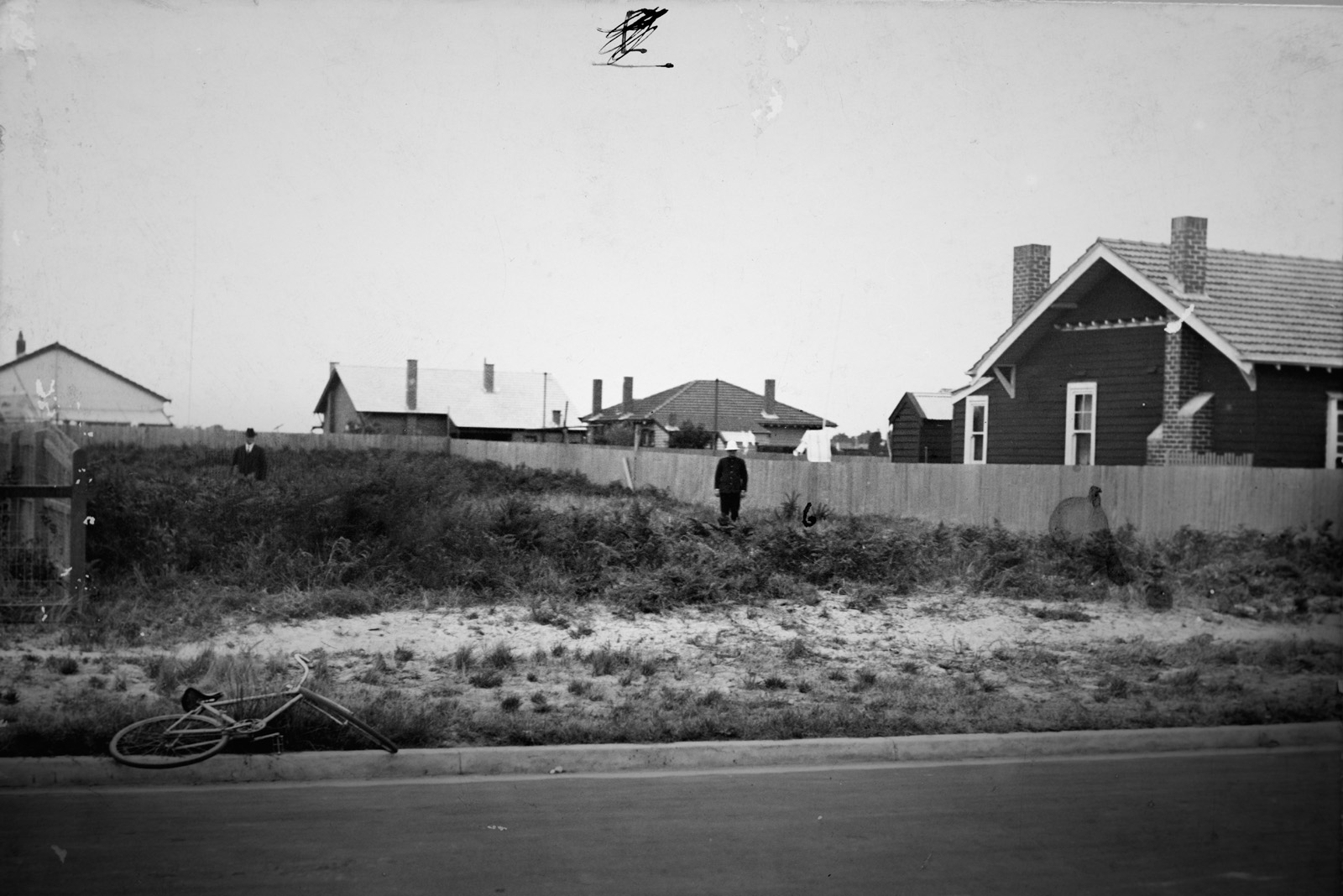
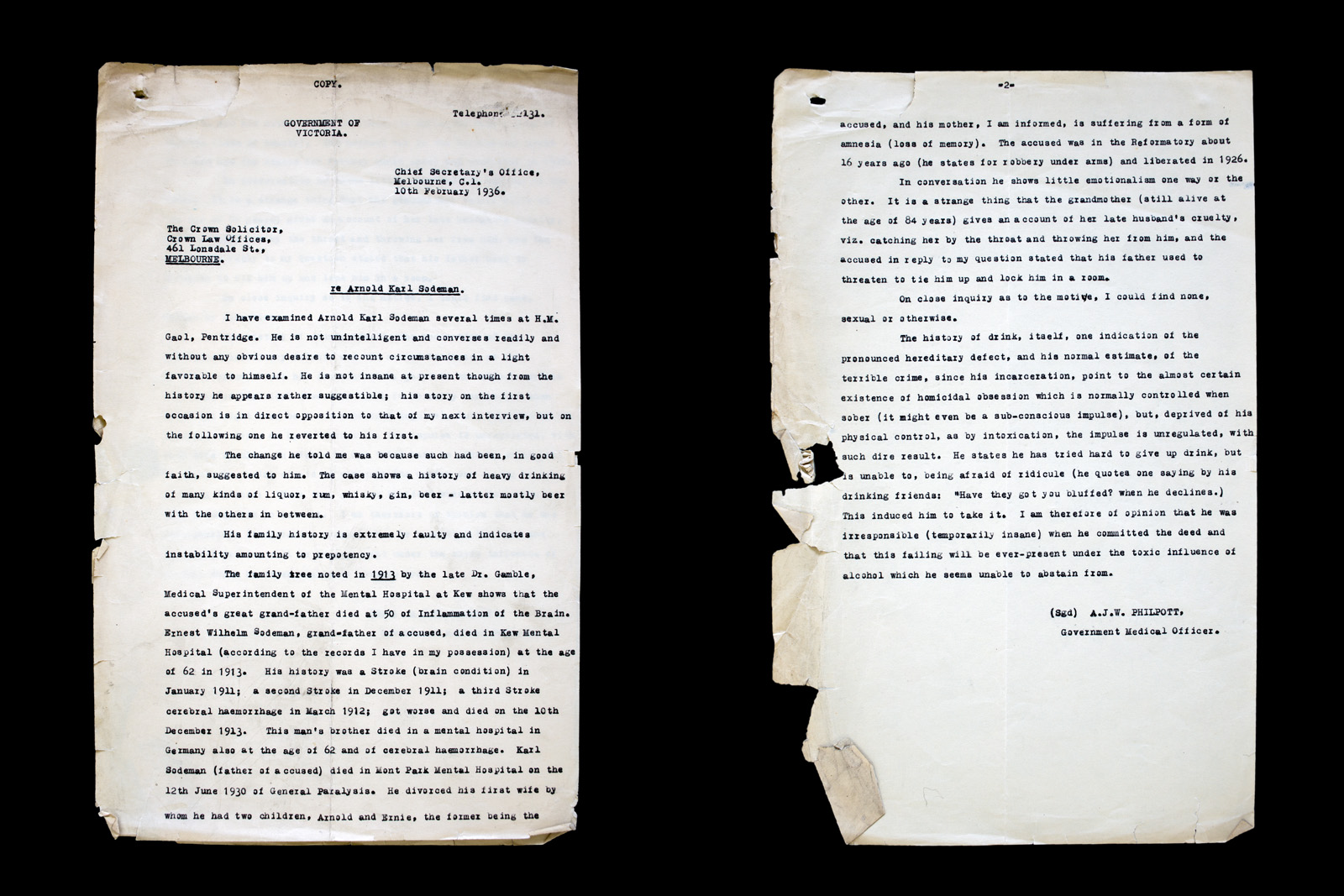
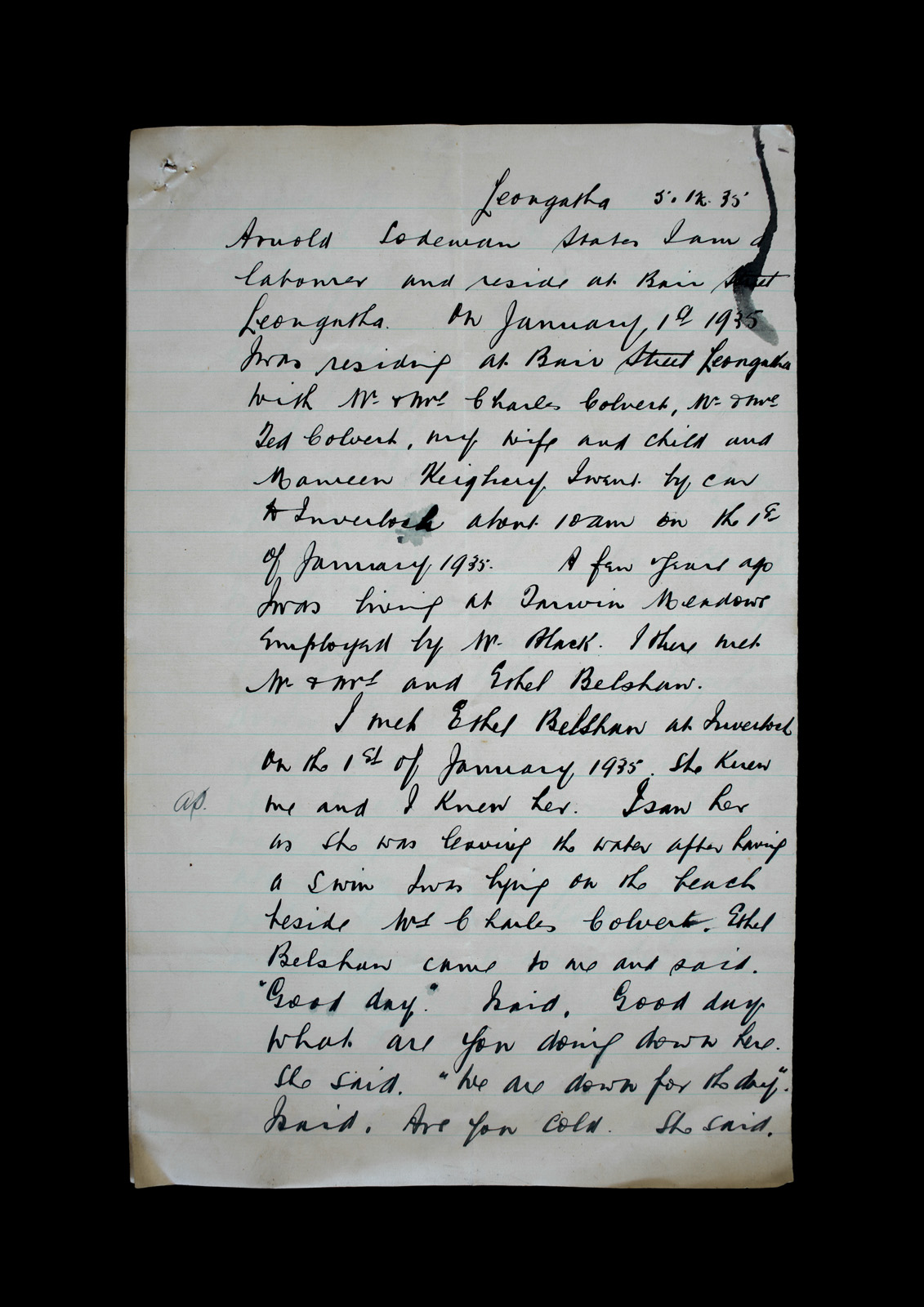
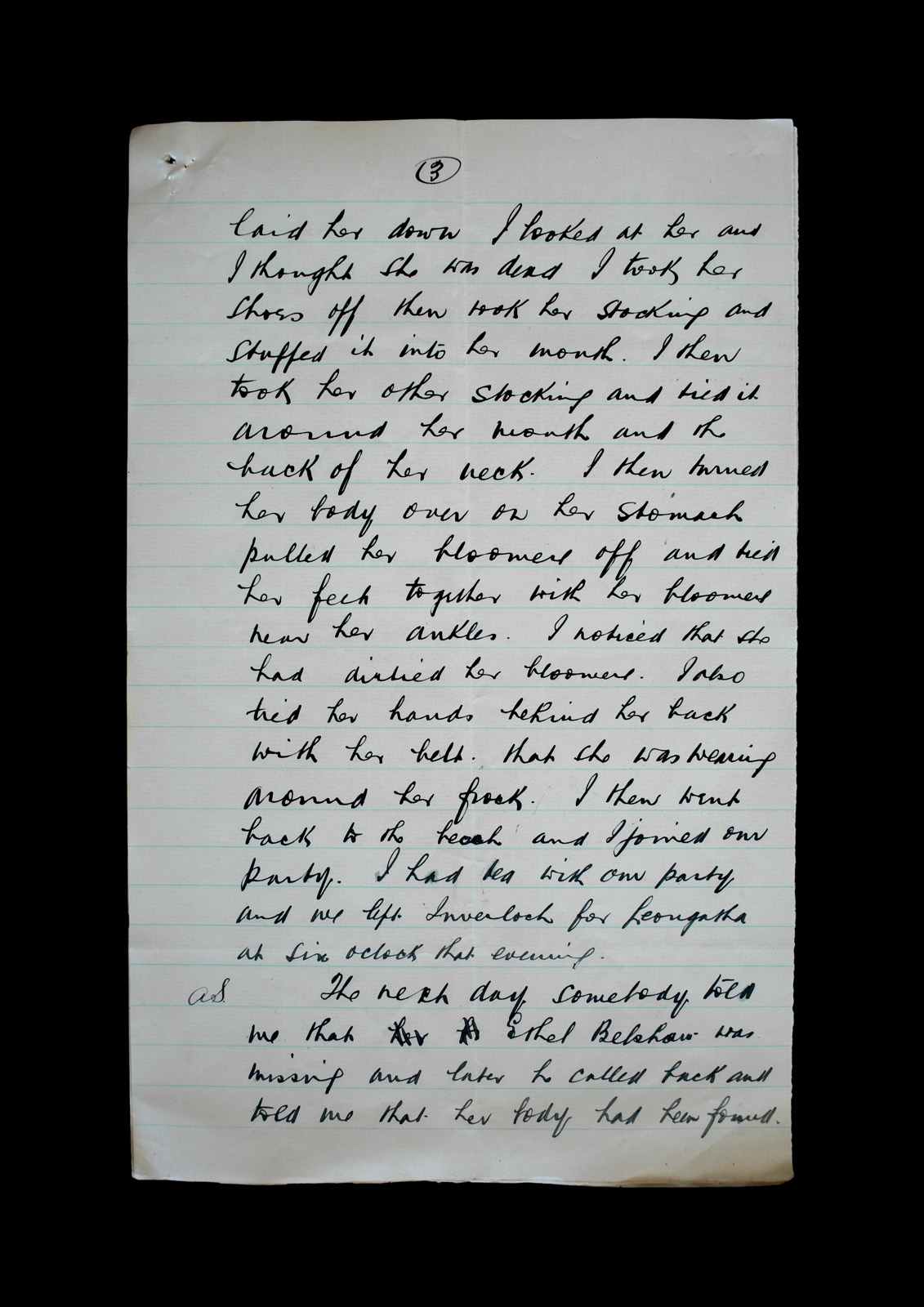
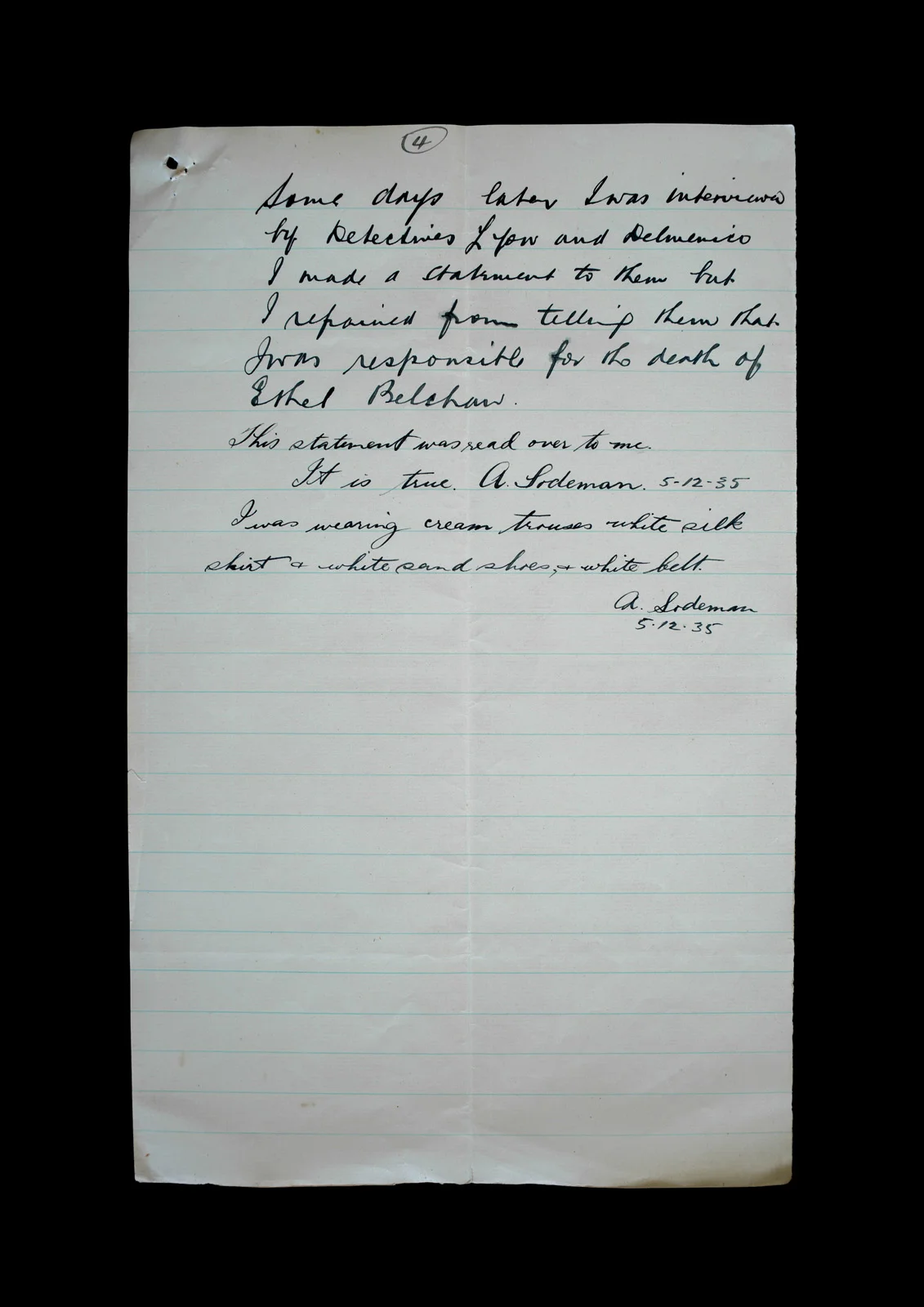
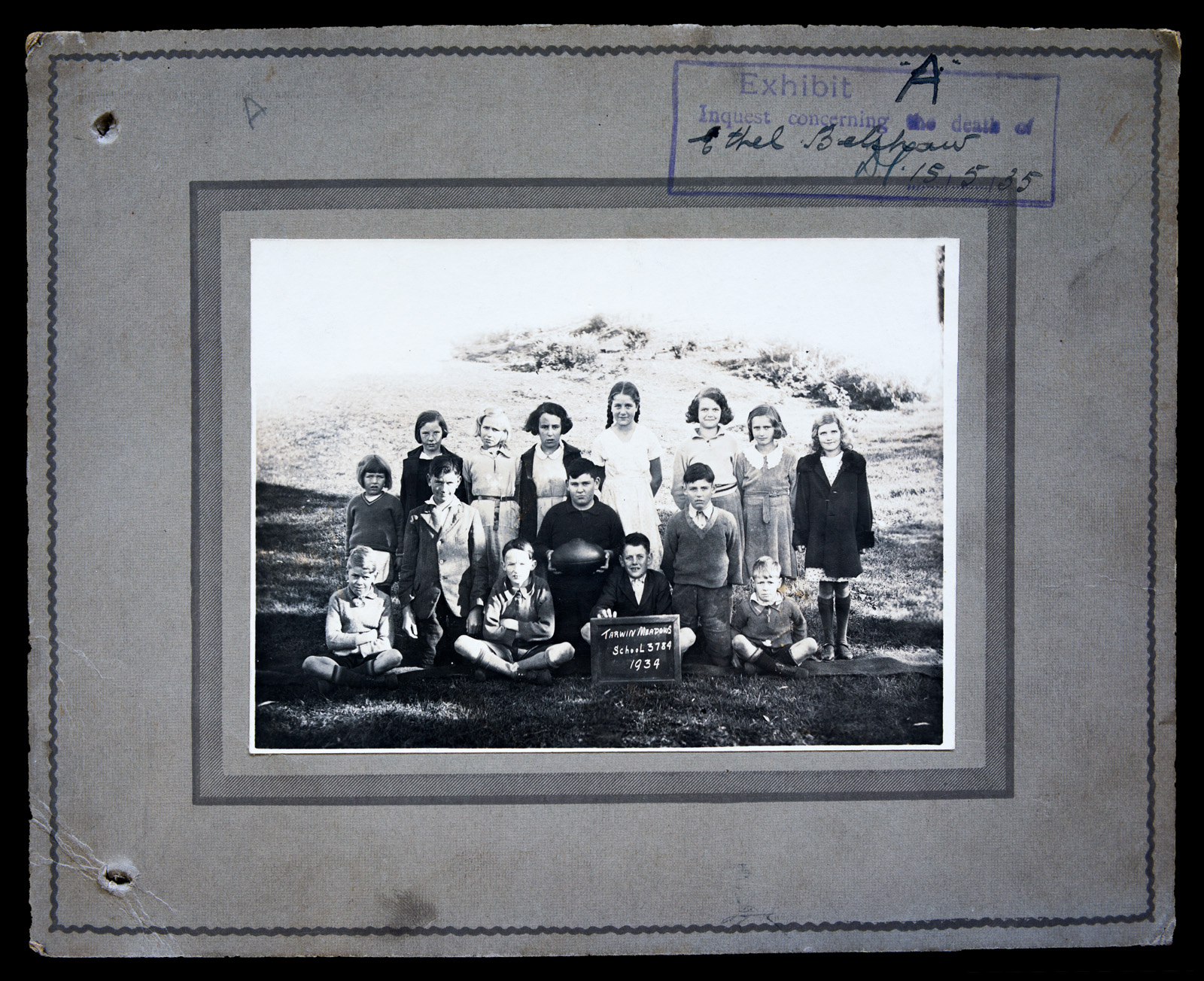
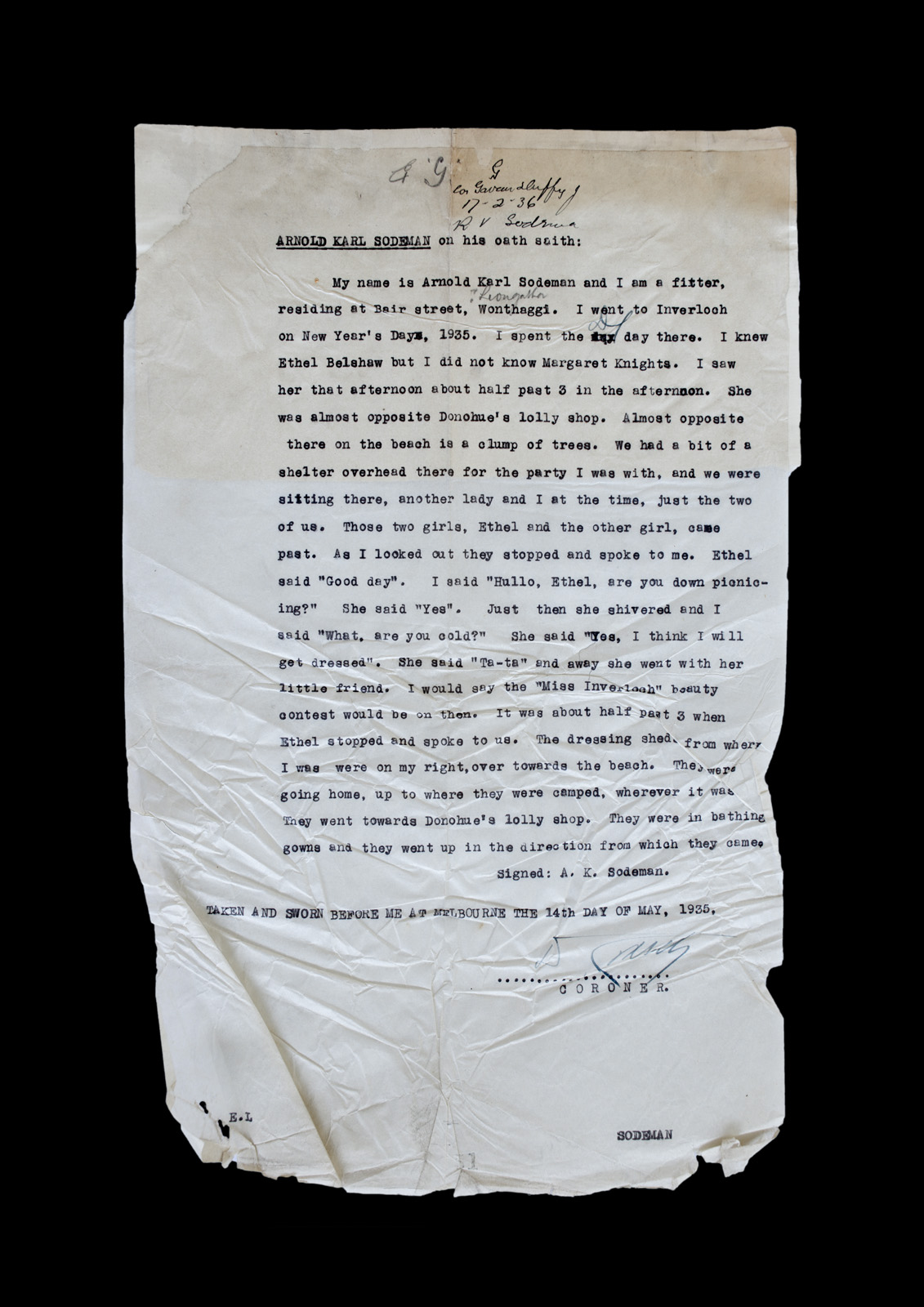
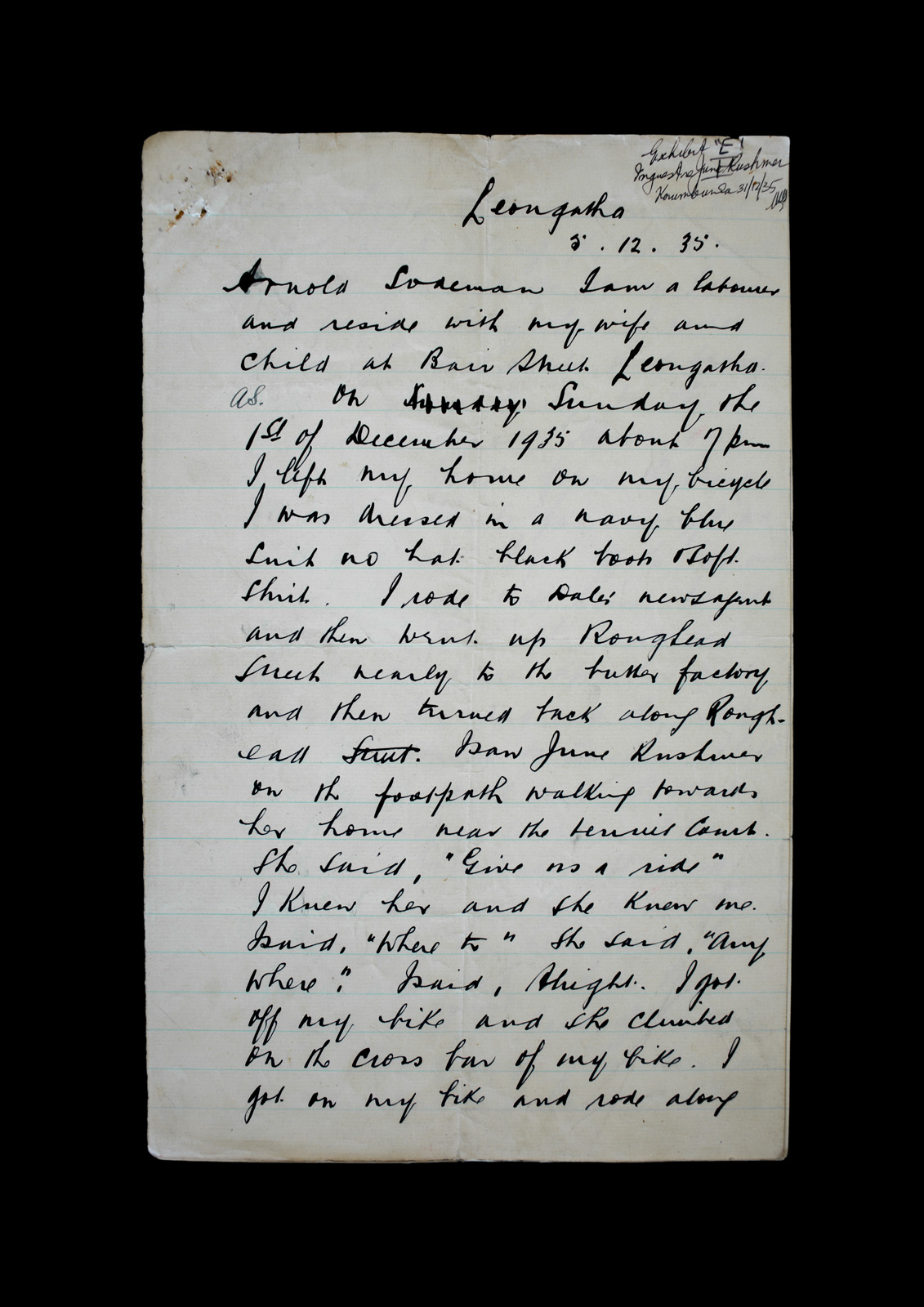
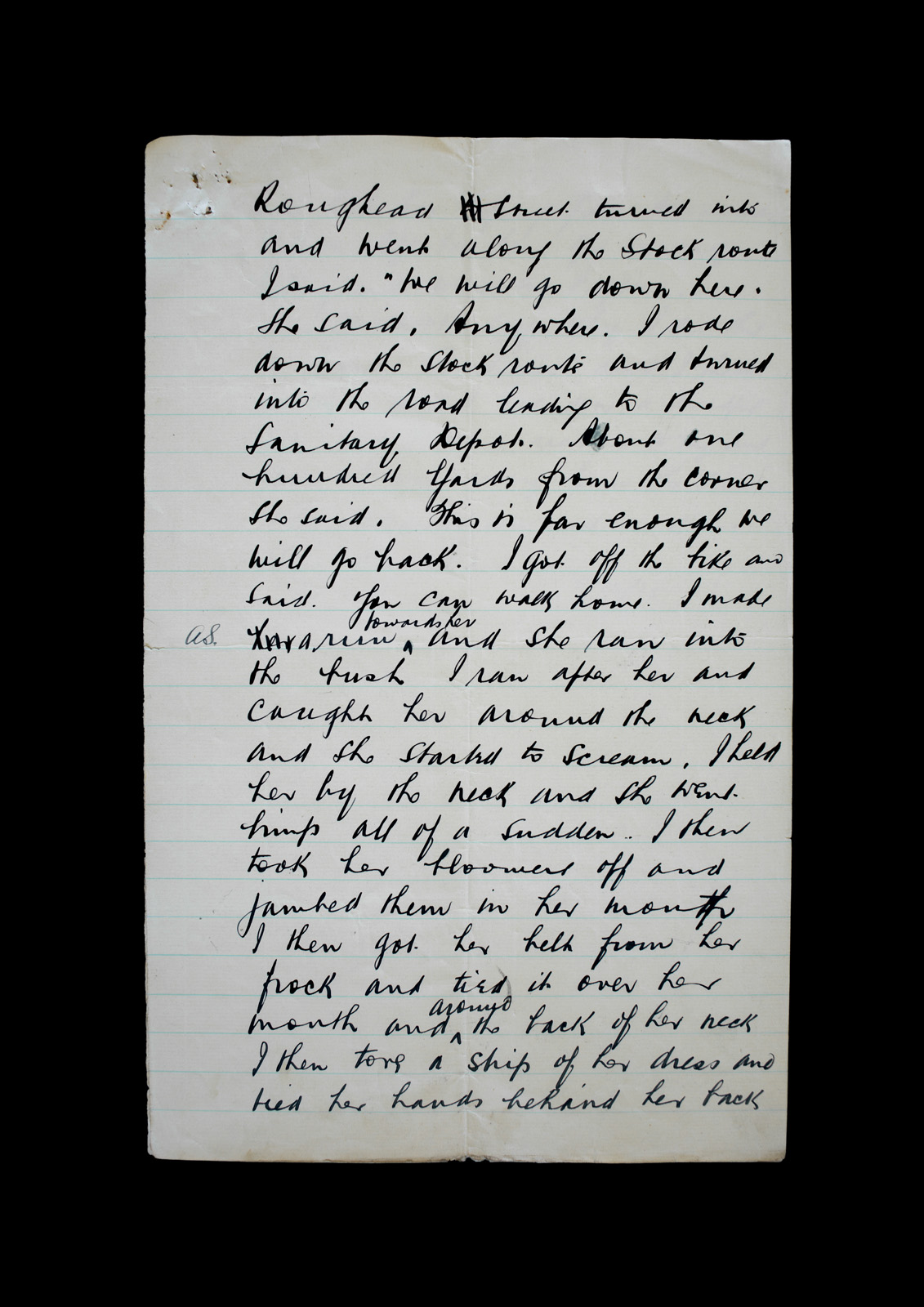
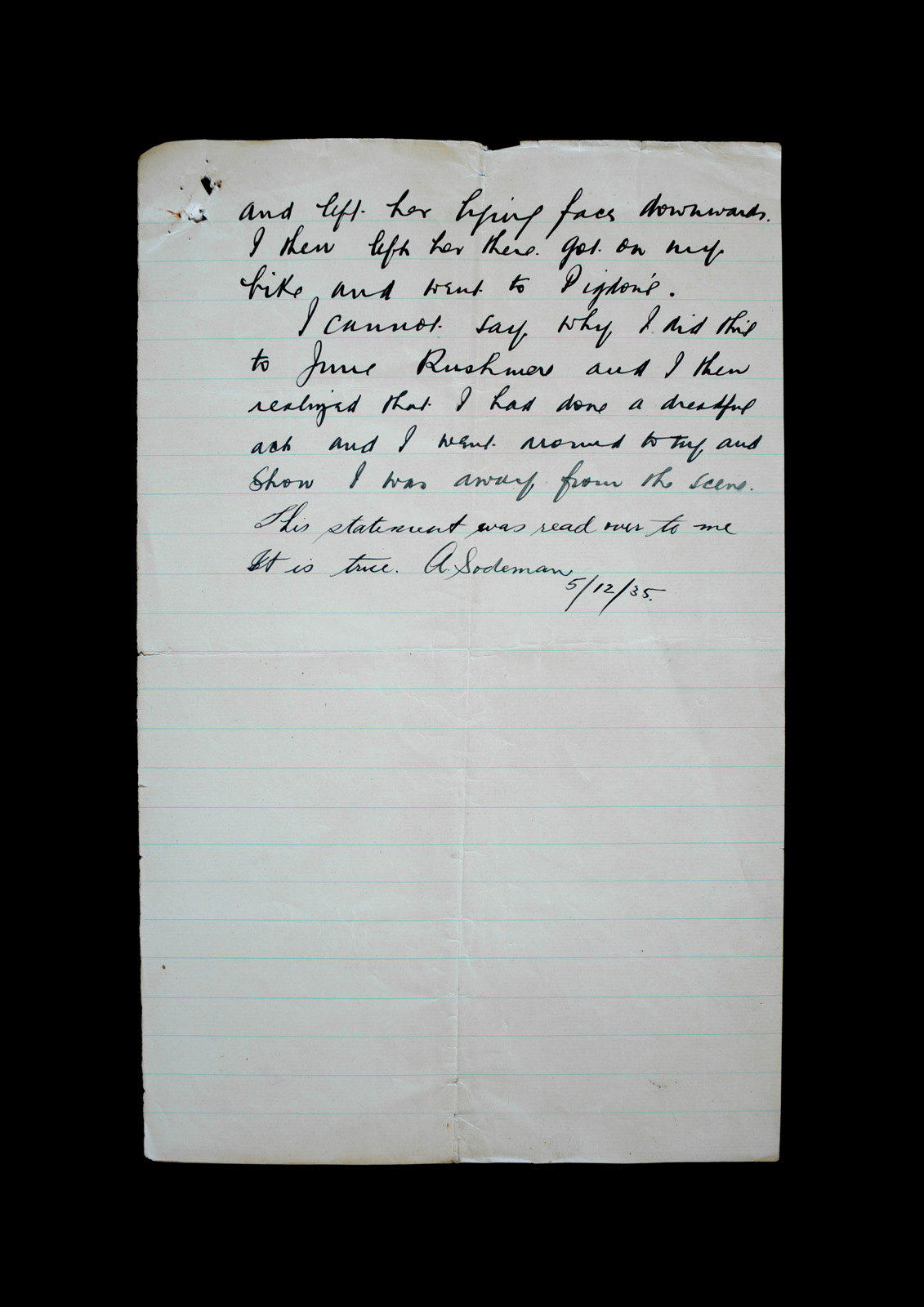
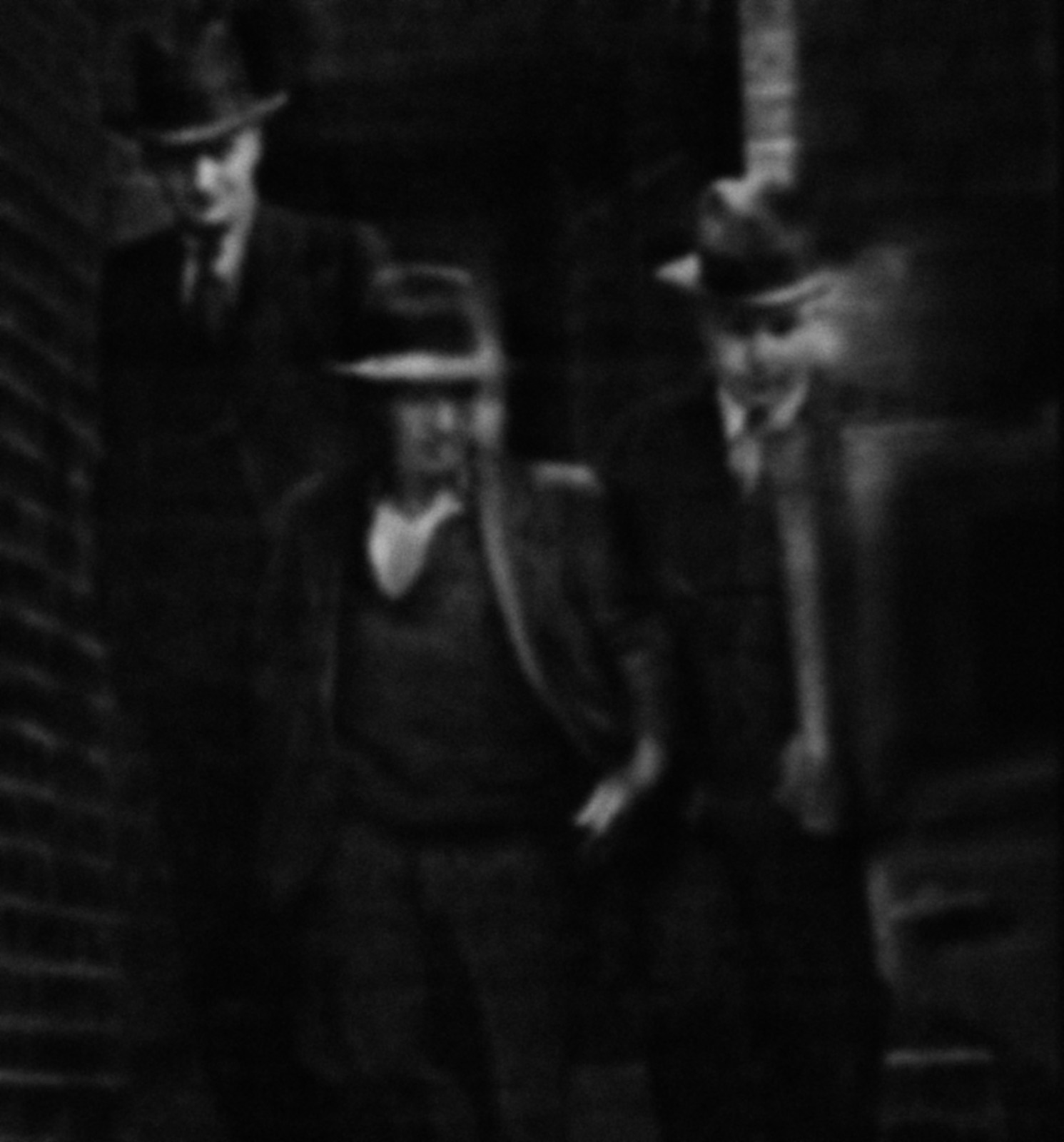
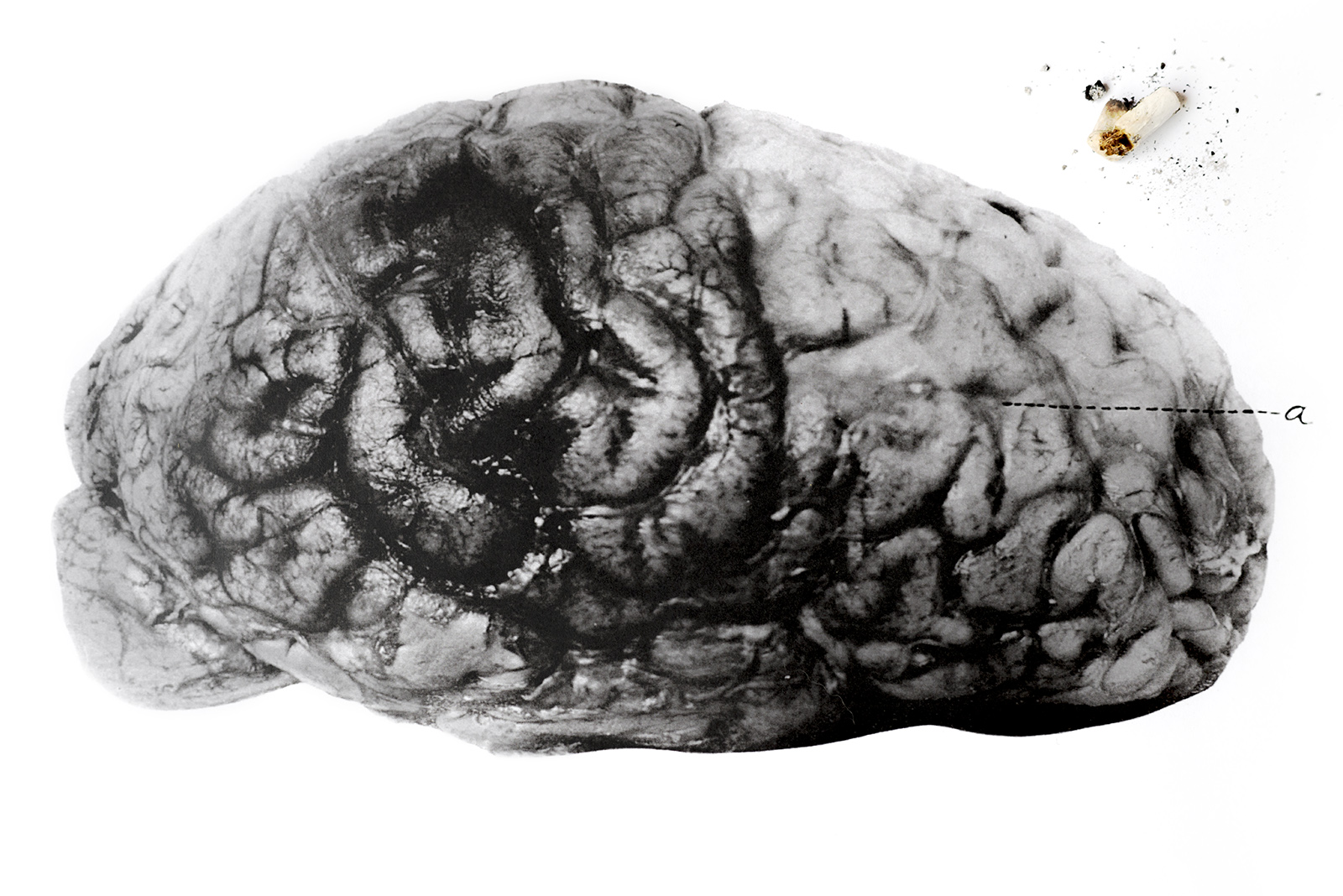
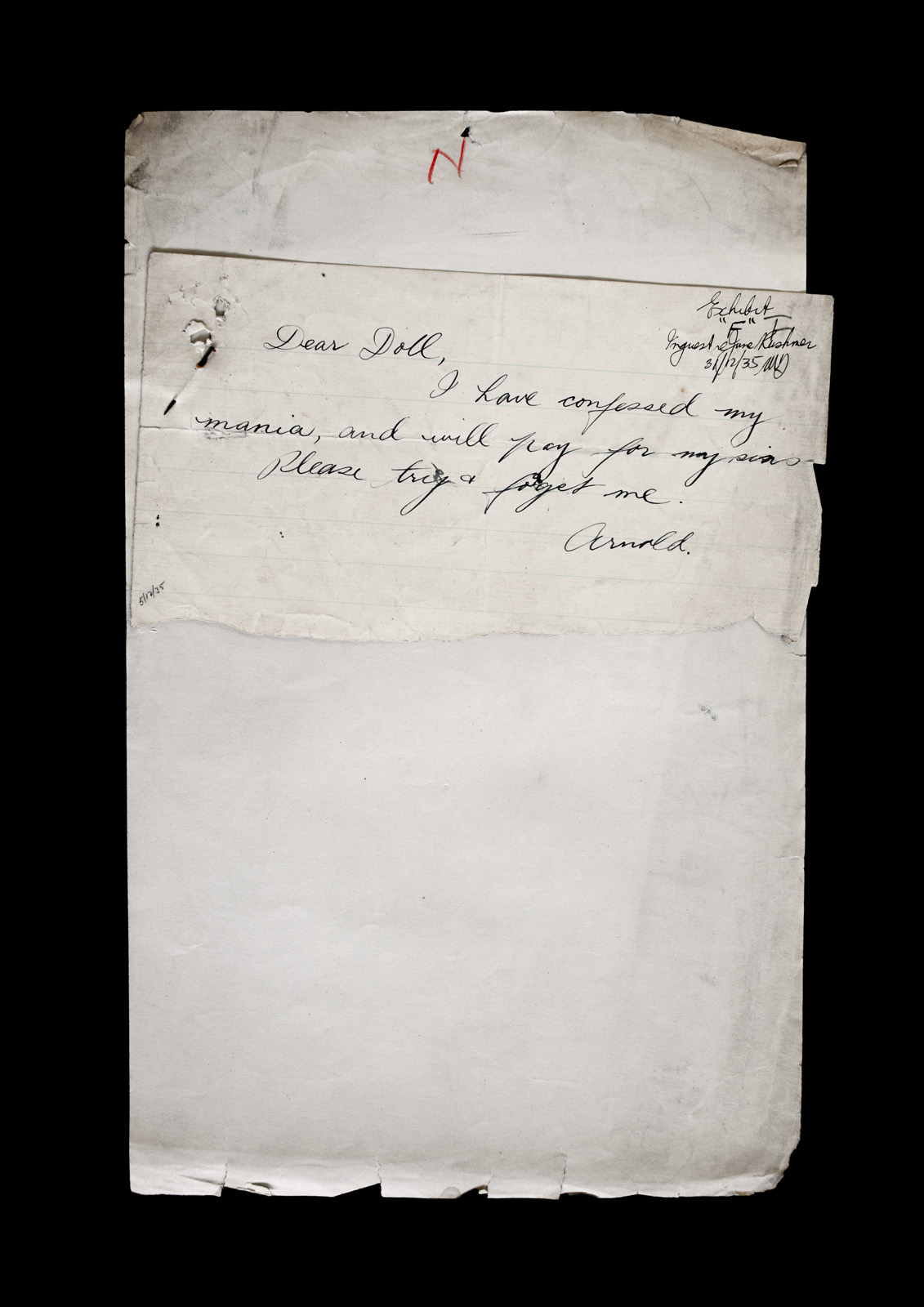
Between 1930 and 1935 Arnold Sodeman murdered four girls between the ages of 6 and 16 - Mena Griffiths, Hazel Wilson, Ethel Belshaw, June Rushmer - in suburban Melbourne and rural Victoria. Sodeman’s paternal lineage was riven with mental illness: both his father and grandfather died in local asylums. Sodeman's trial defence's argument claimed that he “was not conscious of what he was doing, or the nature of the act." Sodeman was executed in Melbourne in 1936. The post-mortem examination revealed that Sodeman, an alcoholic, suffered from leptomeningitis - a brain disease exacerbated by alcohol - reported at the time of the autopsy that the disease “could lead to paralysis, or cause mental disturbances of various kinds.” Sodeman, a labourer with a young family, was typical of many unskilled Australians of The Depression Era: the family moved between suburb, town and township seeking employment, as do the series’ images. Sodeman’s actions, however, were pathologically aberrant, regardless of the period’s economic privations, one that marked his victims equally.
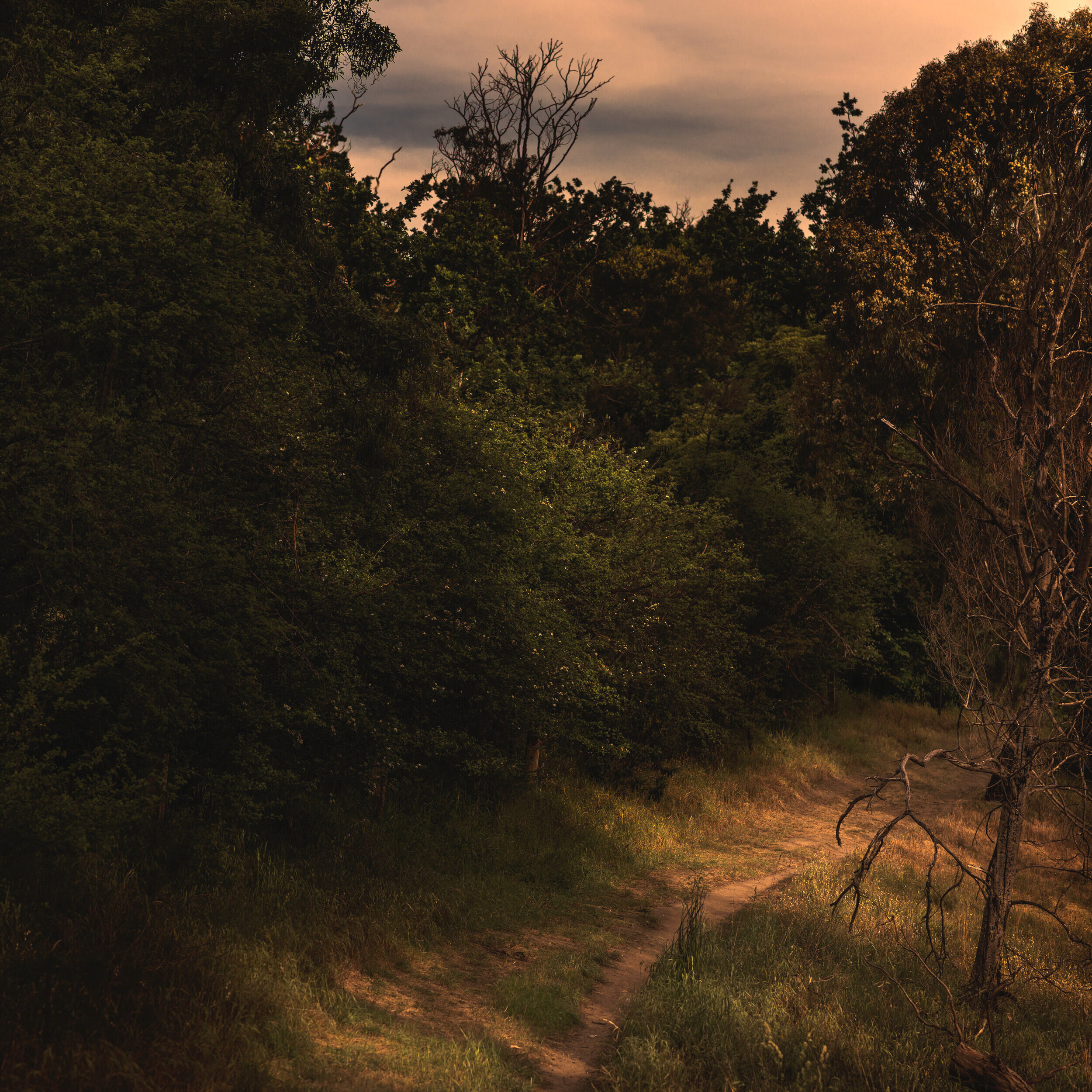
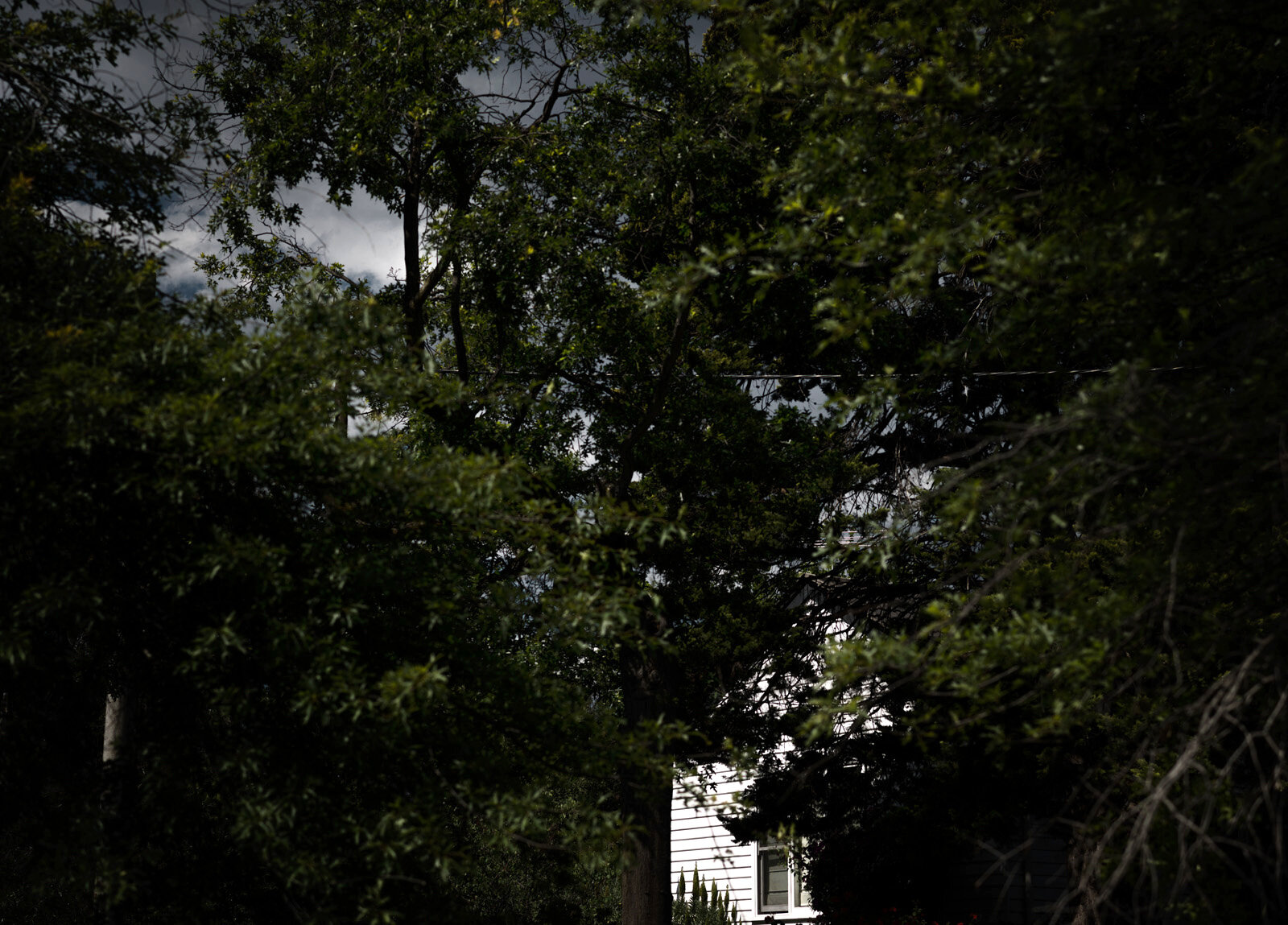
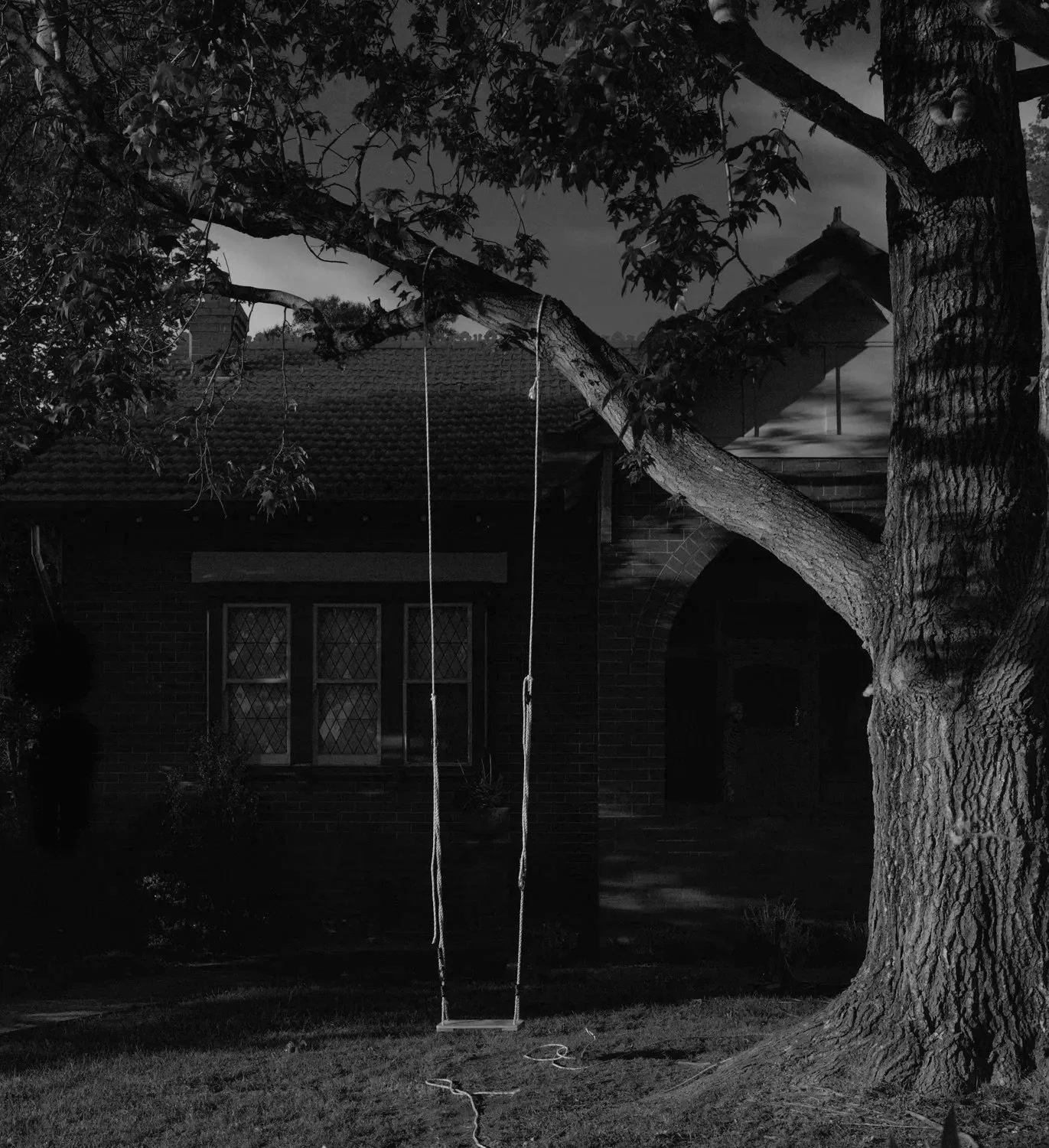
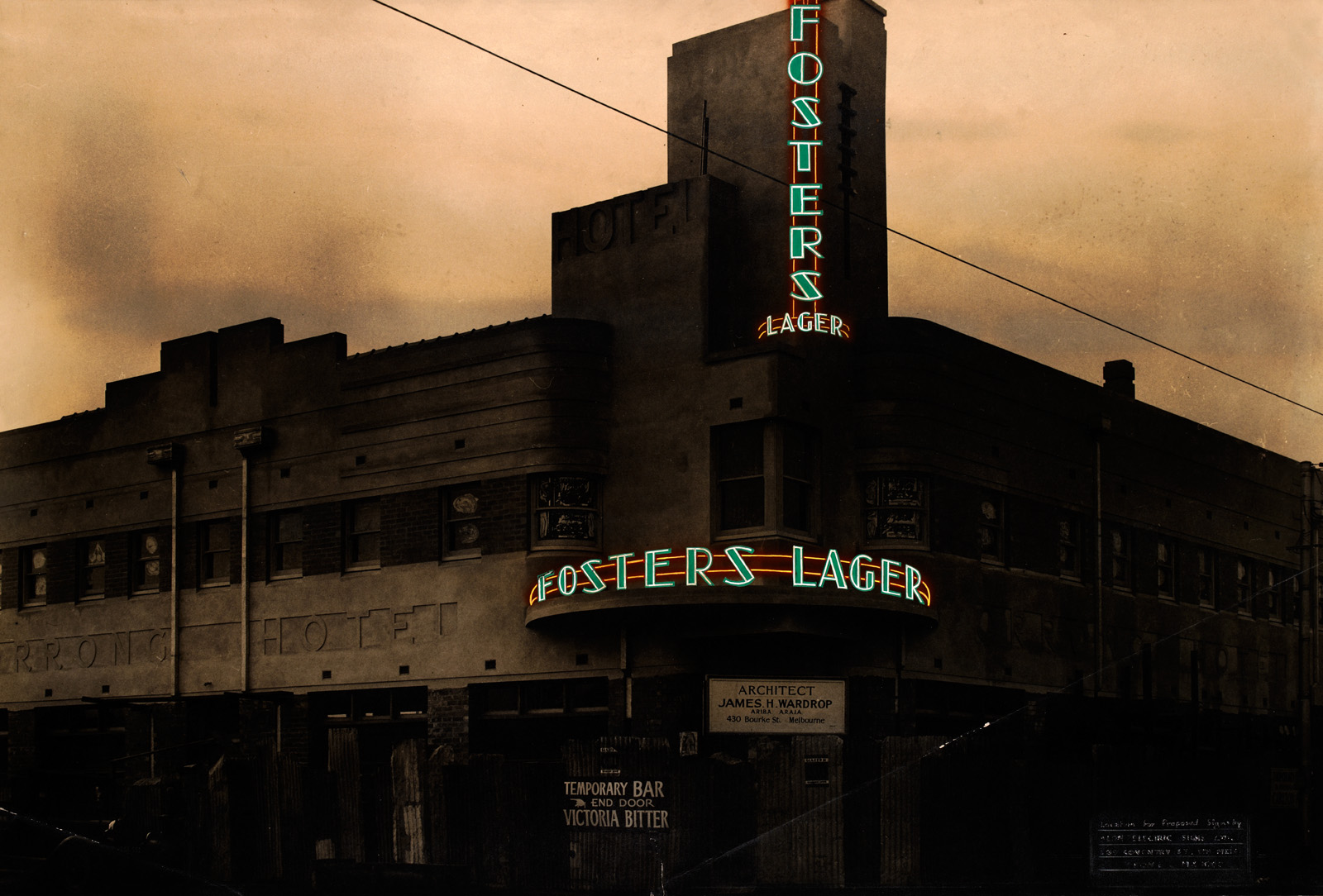
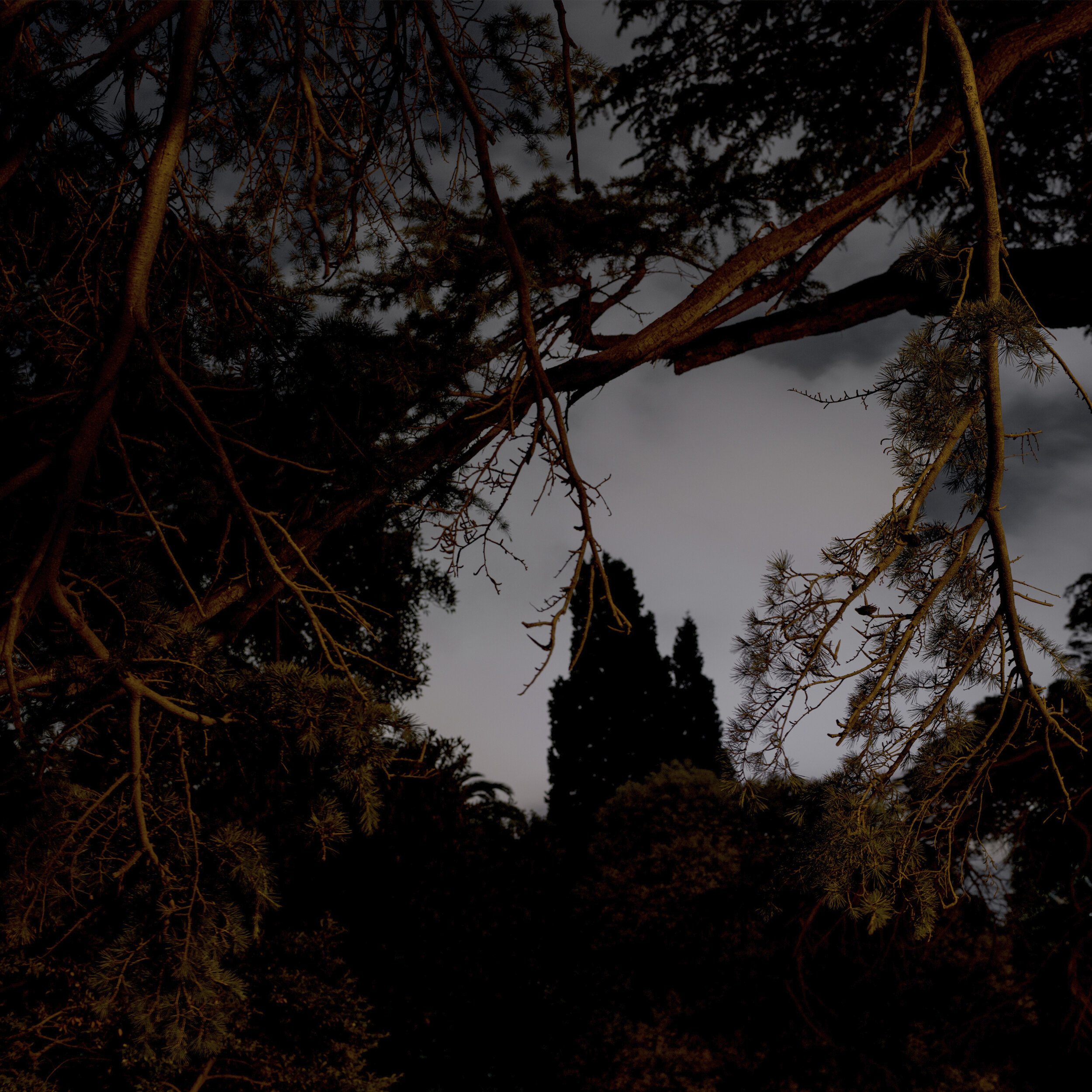
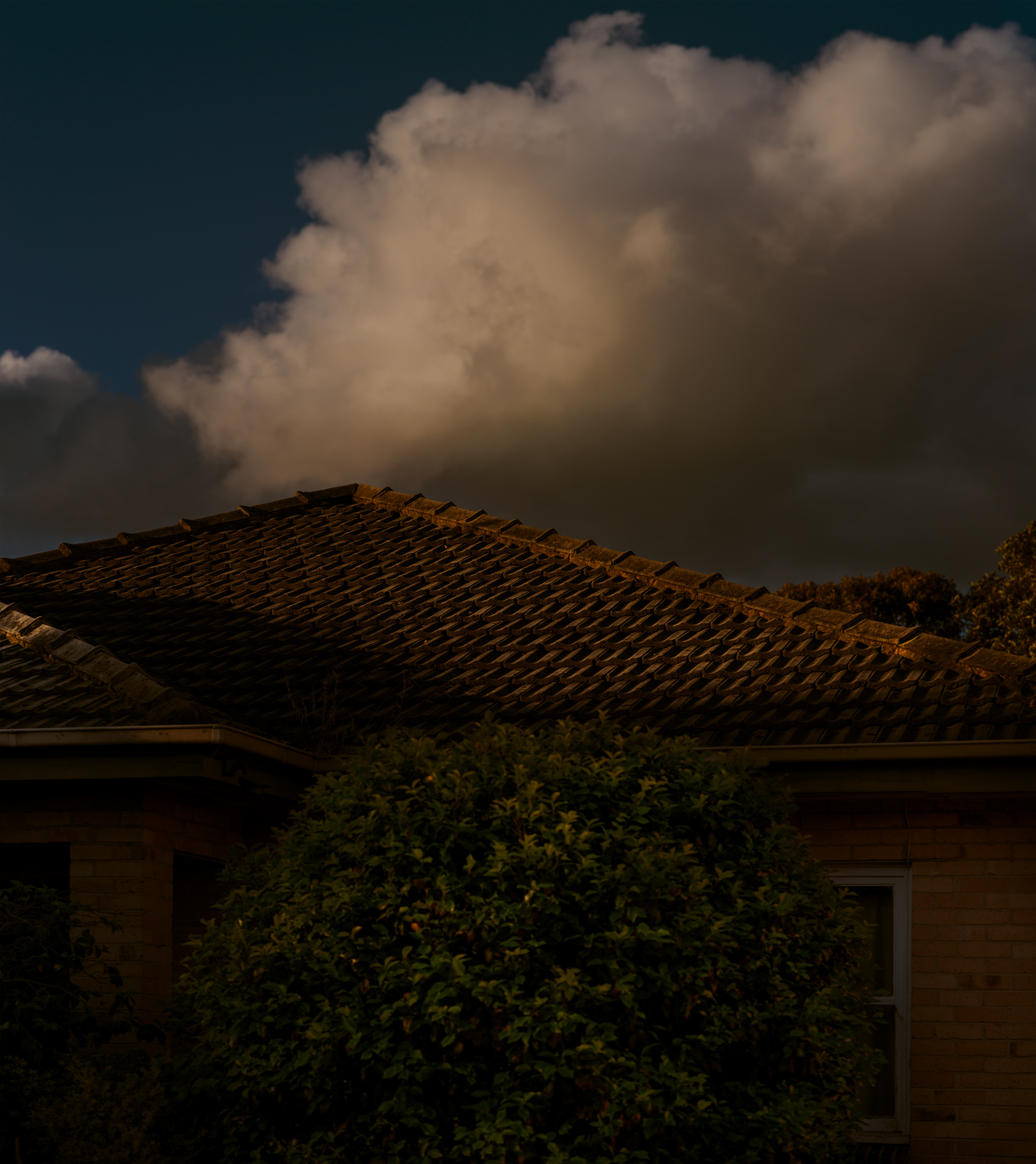
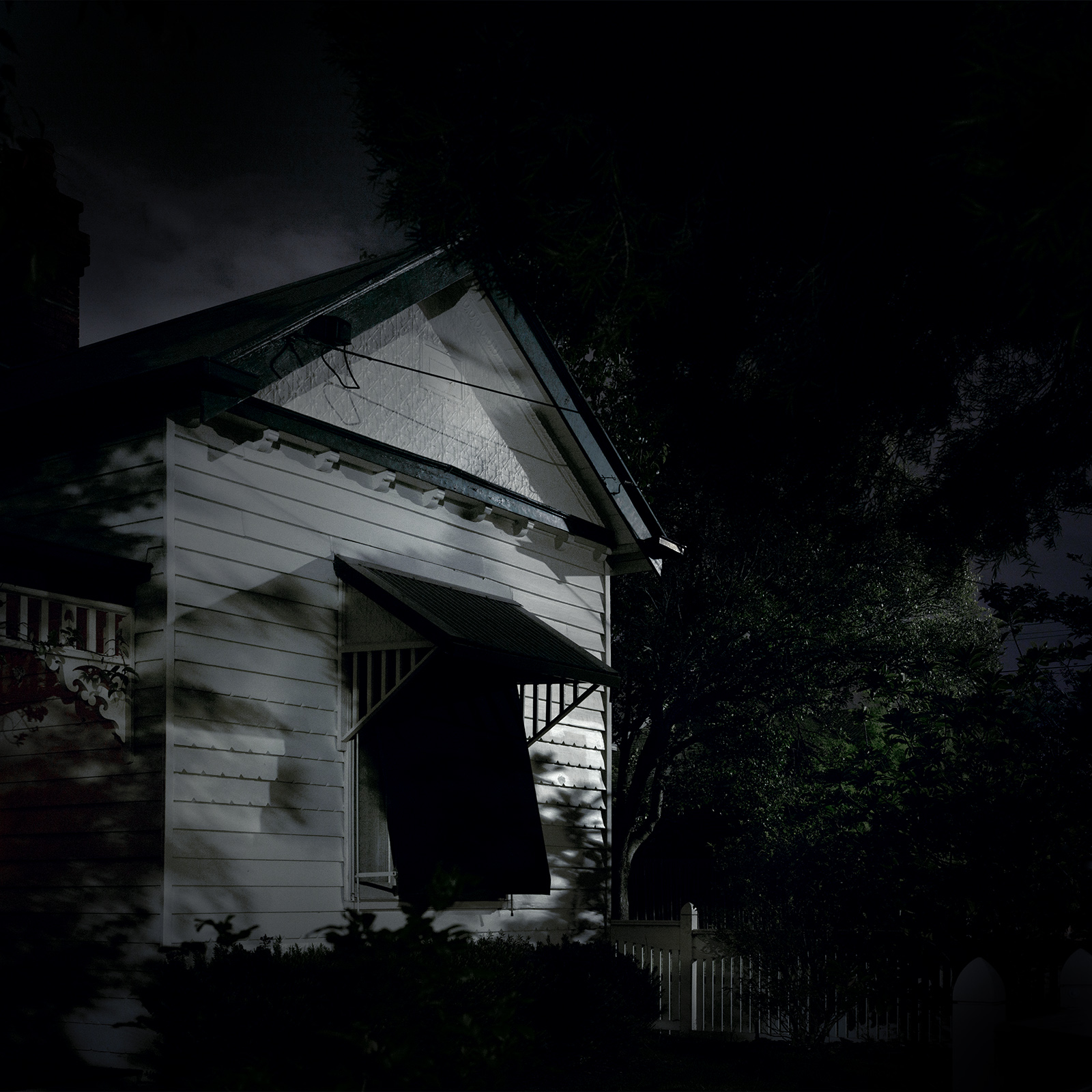
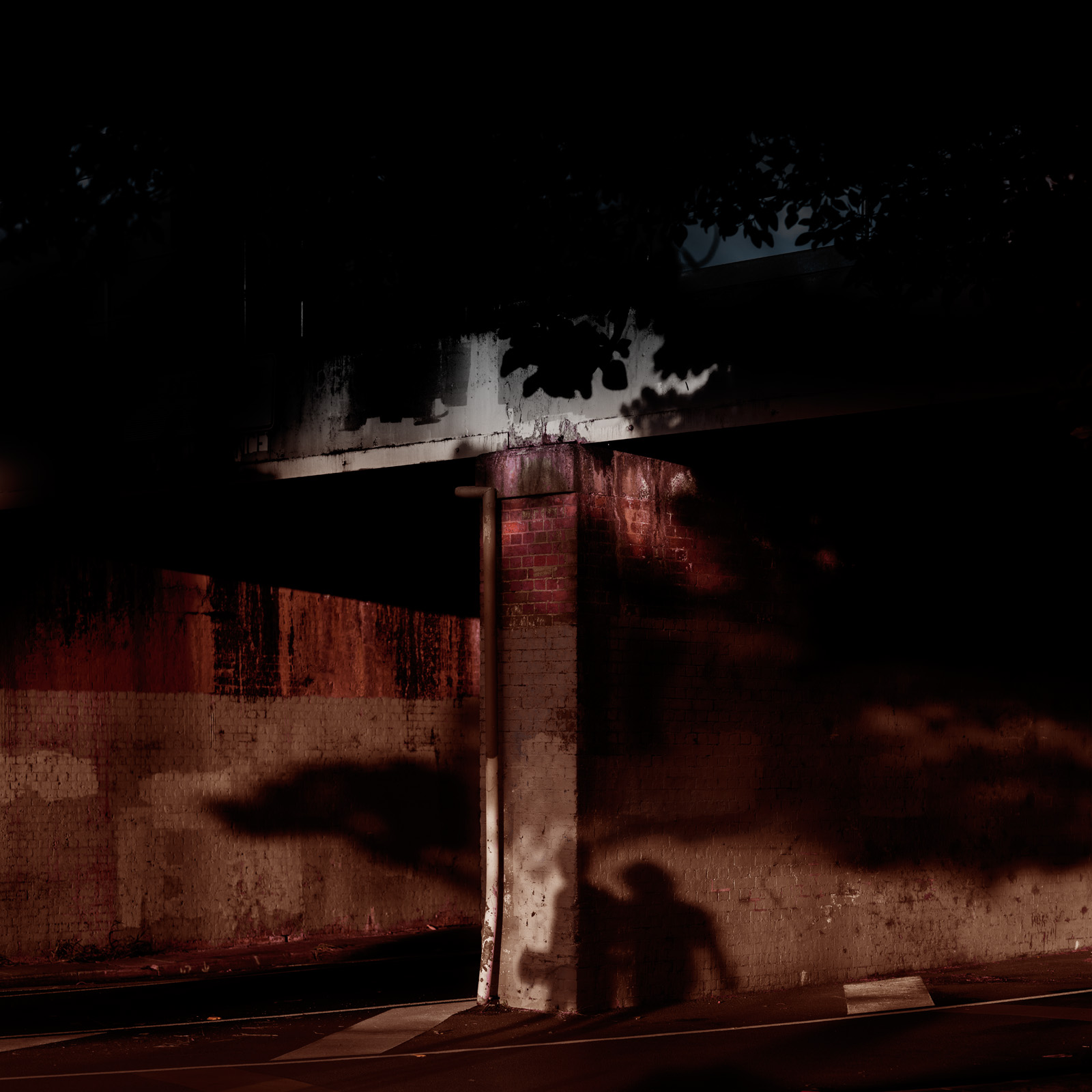
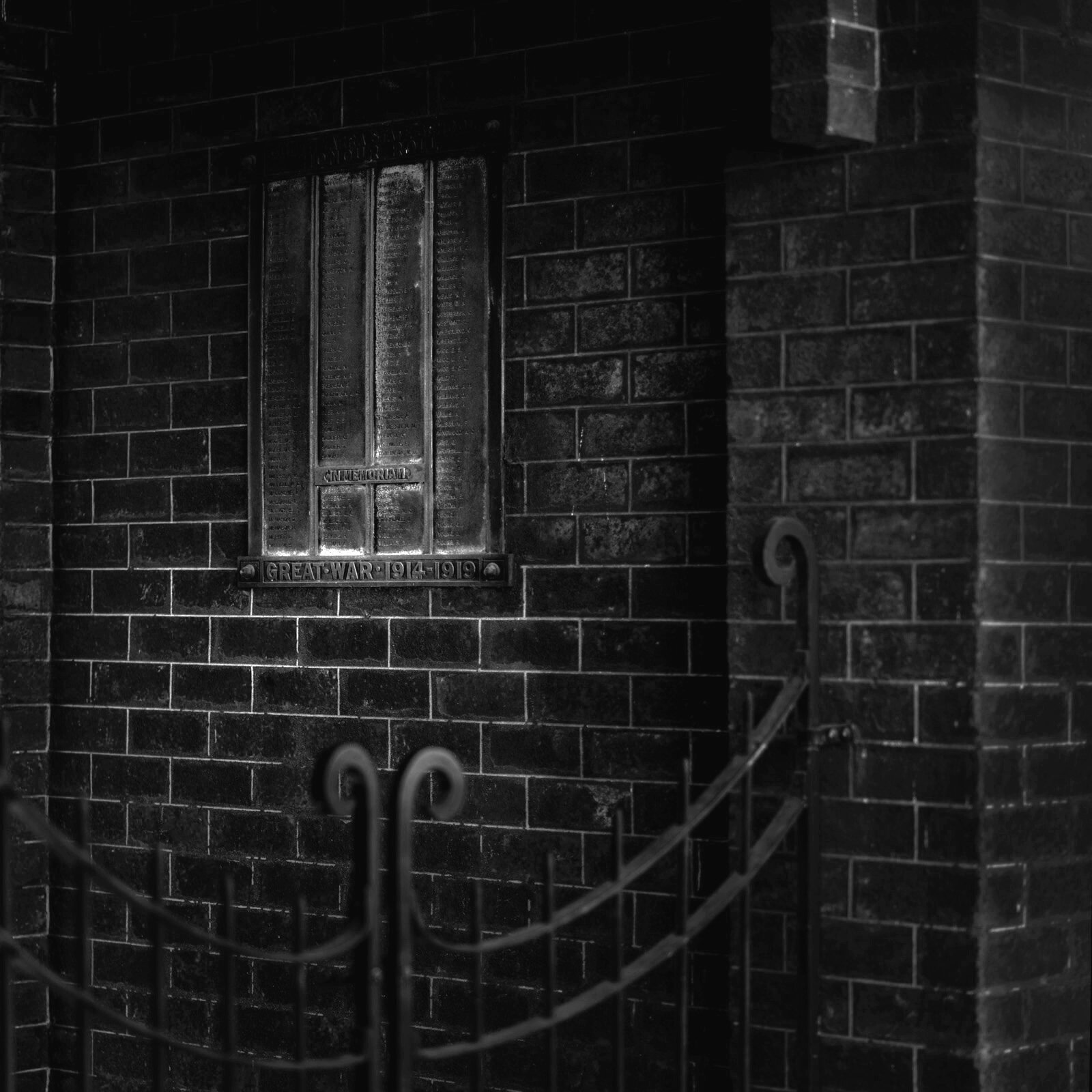
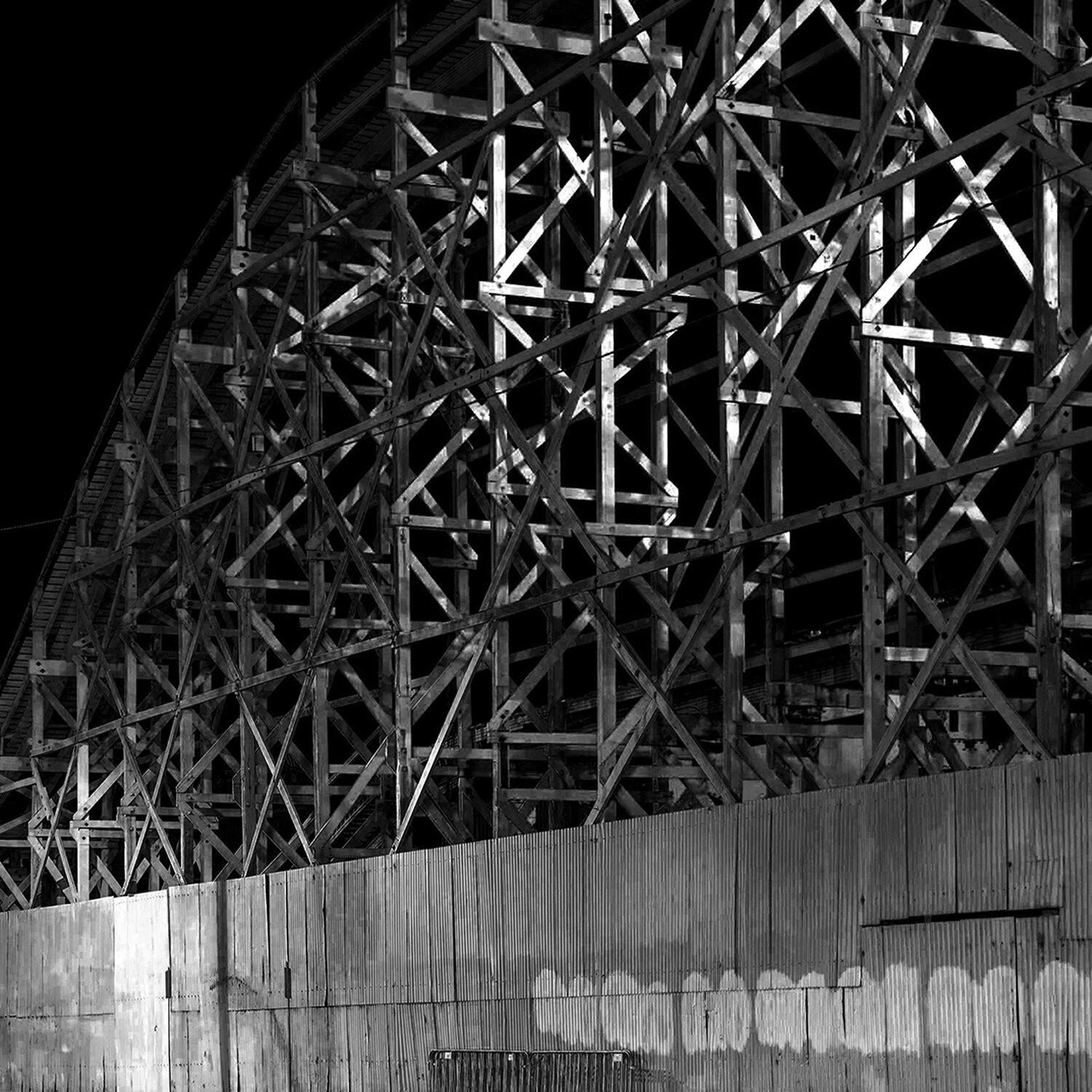
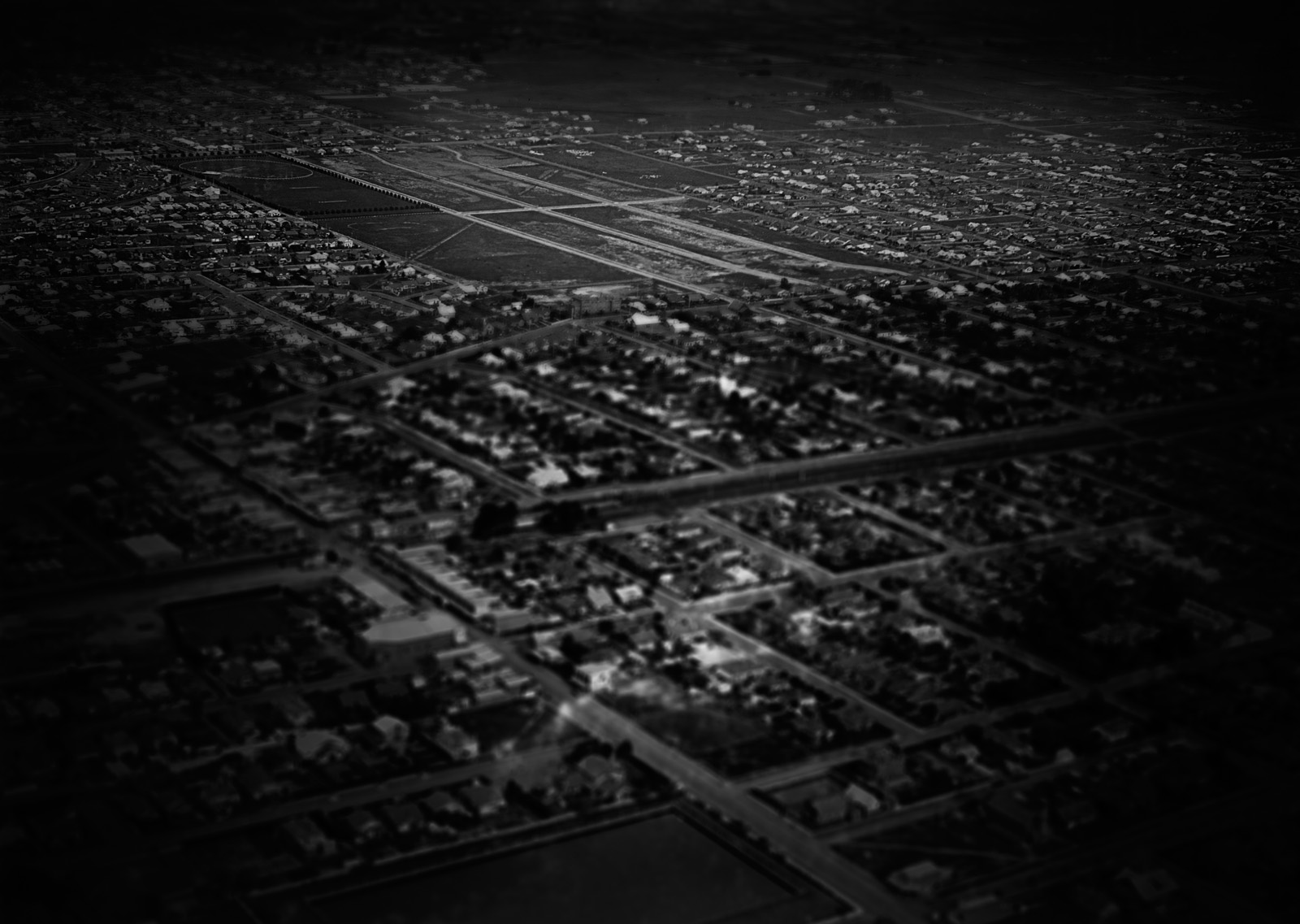
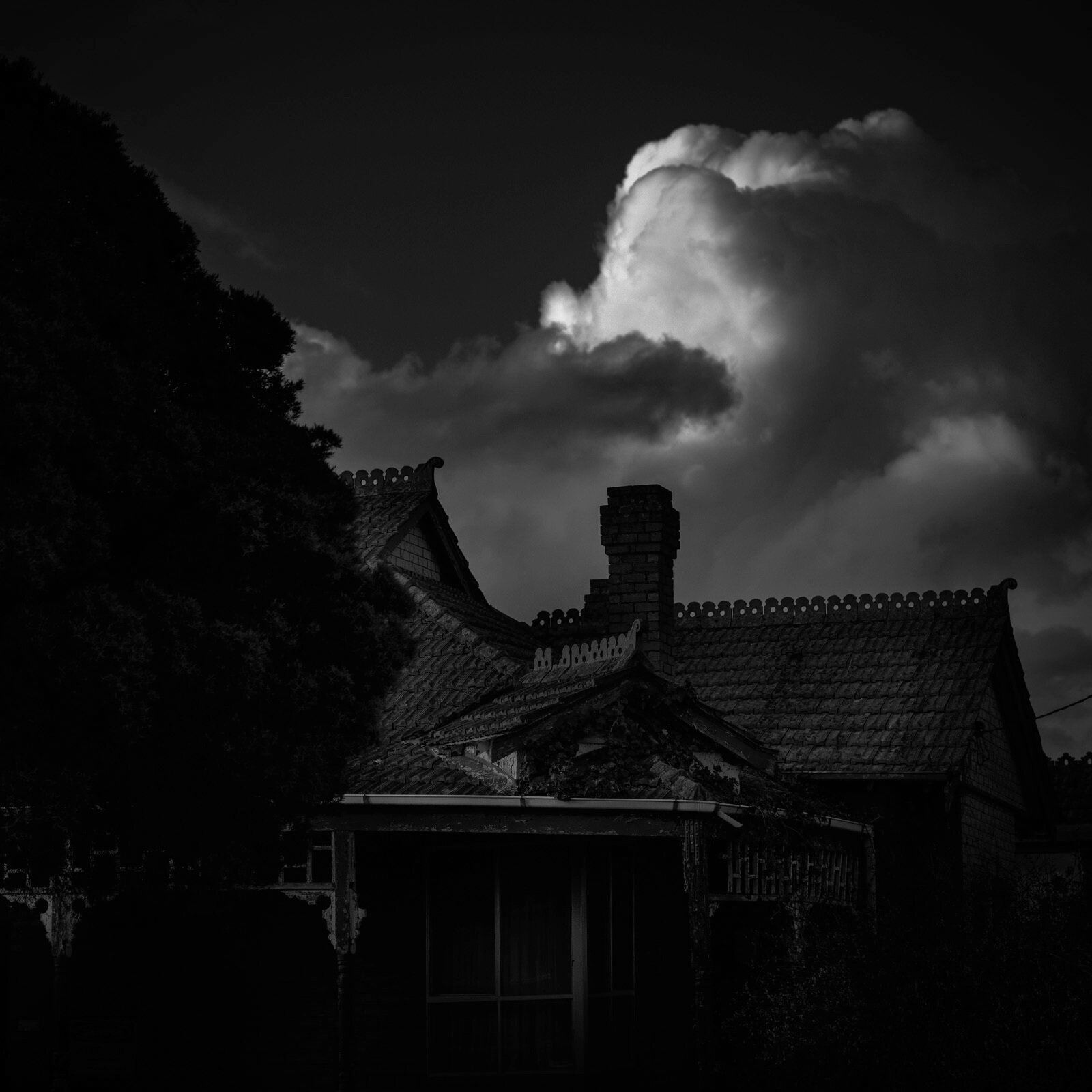
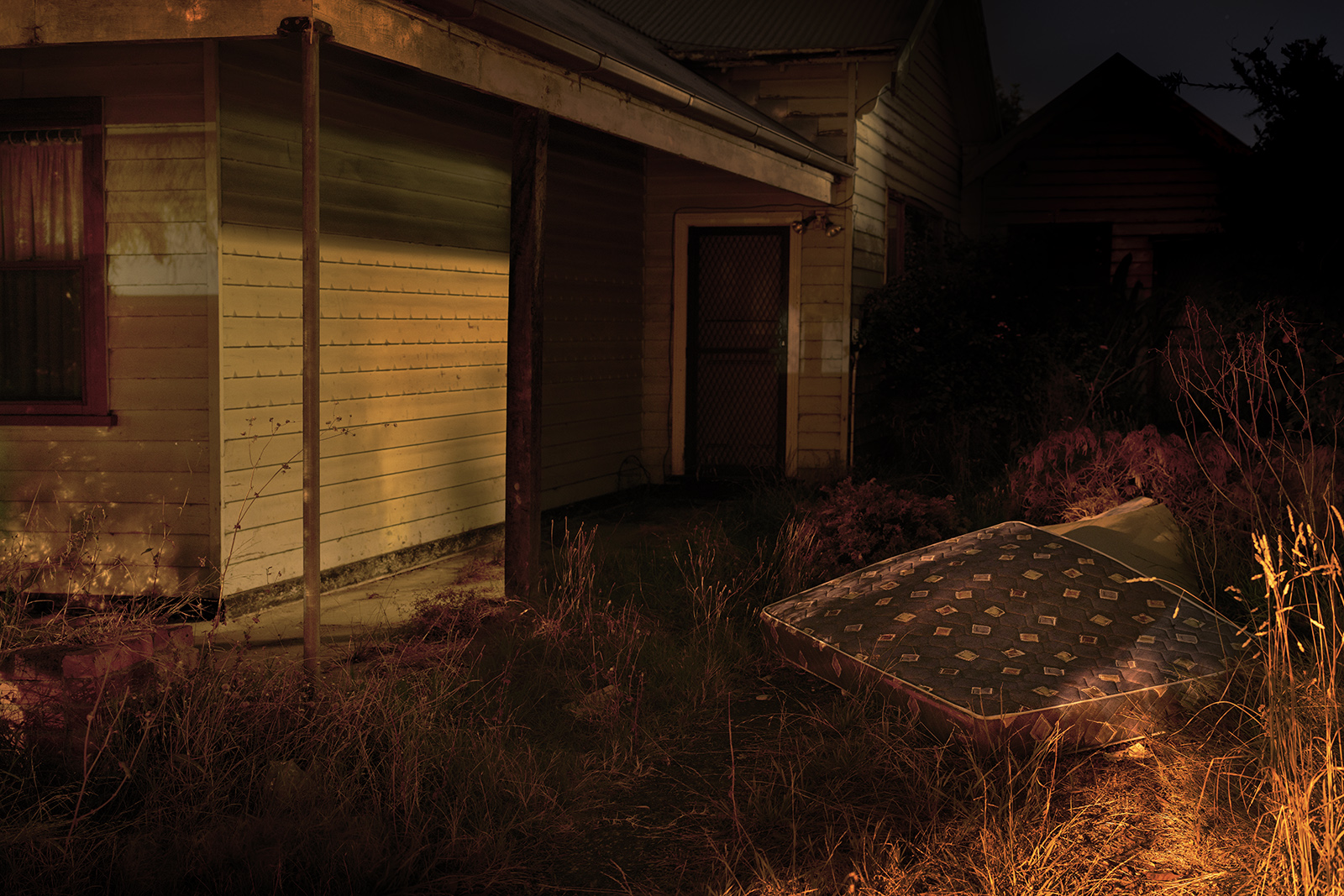
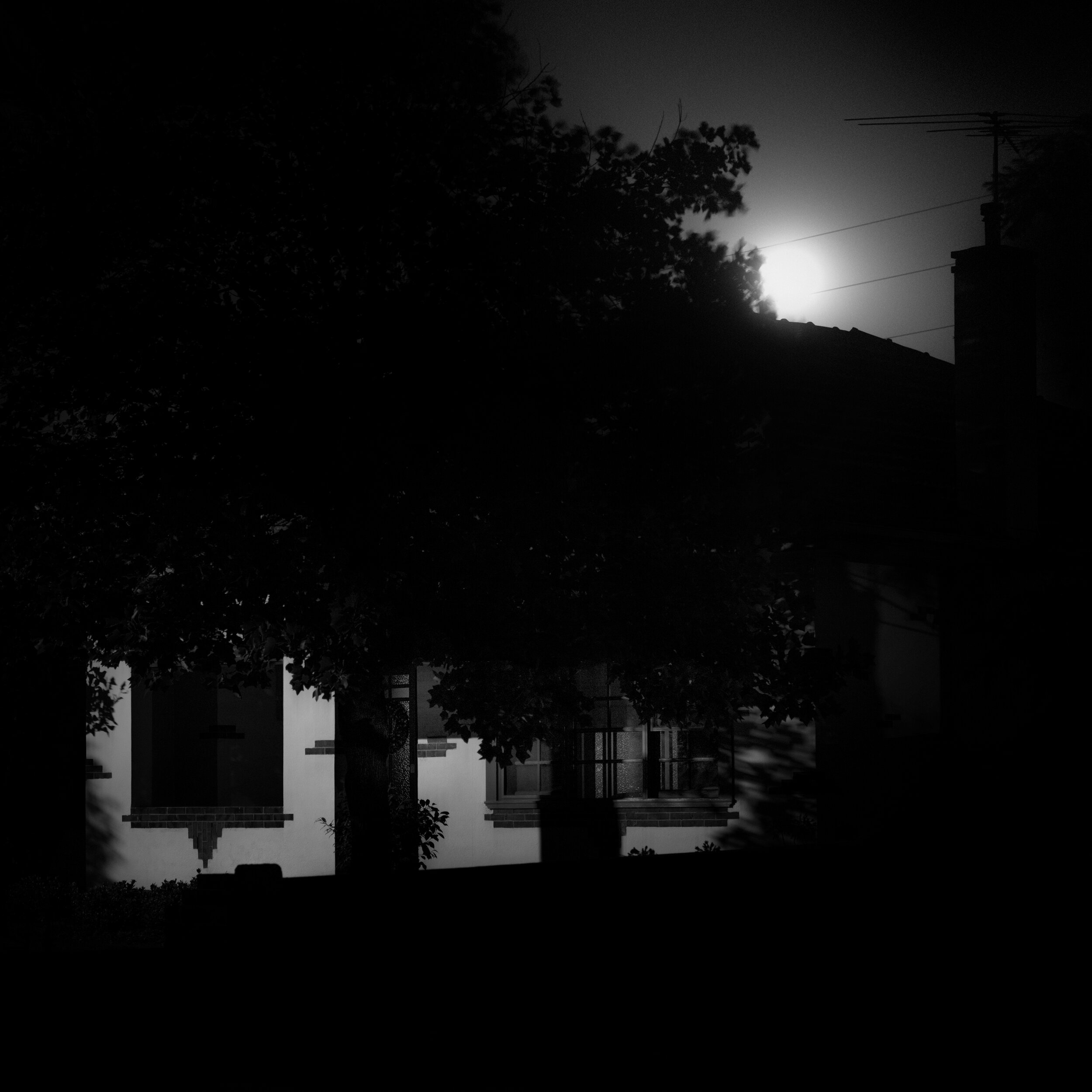
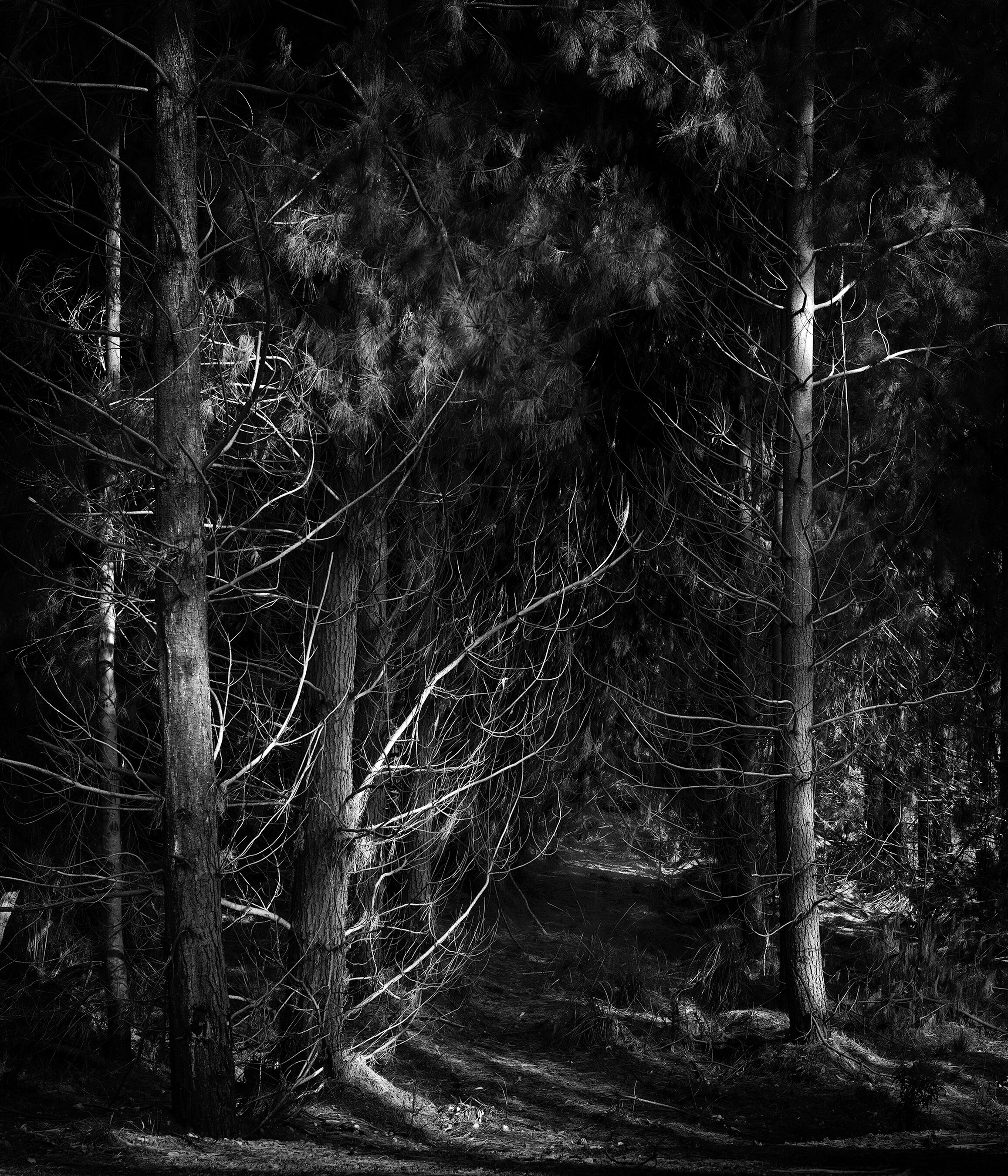
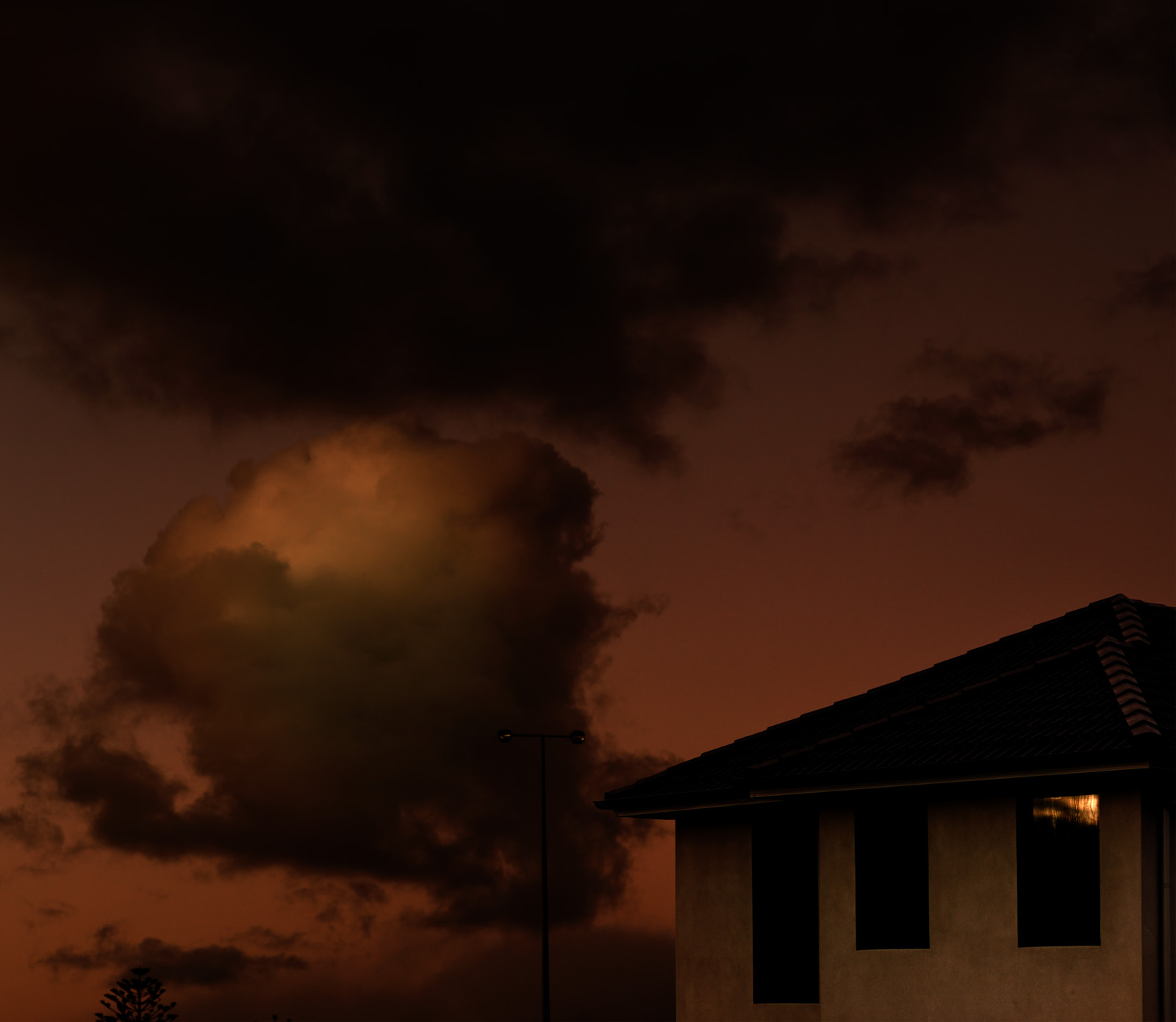
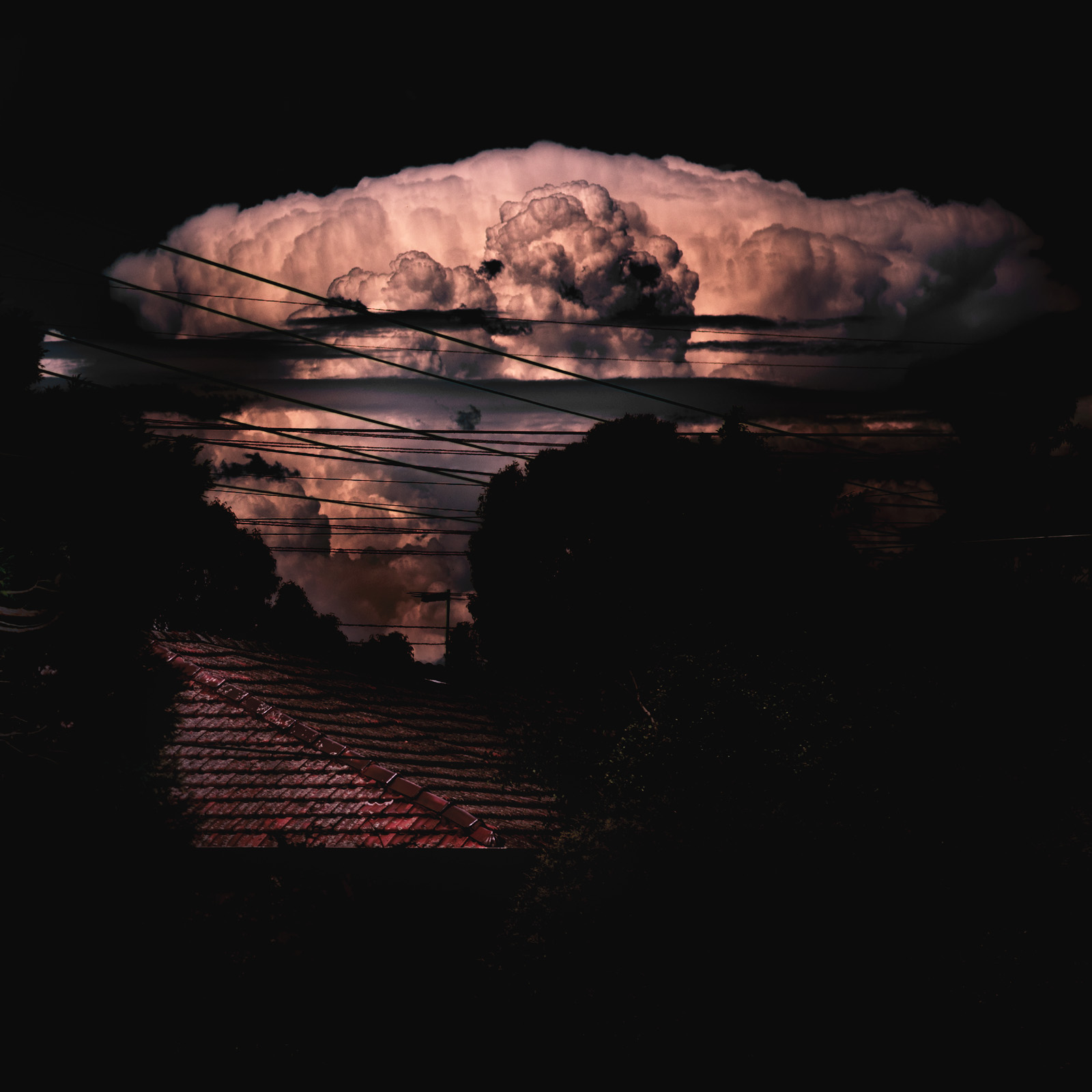
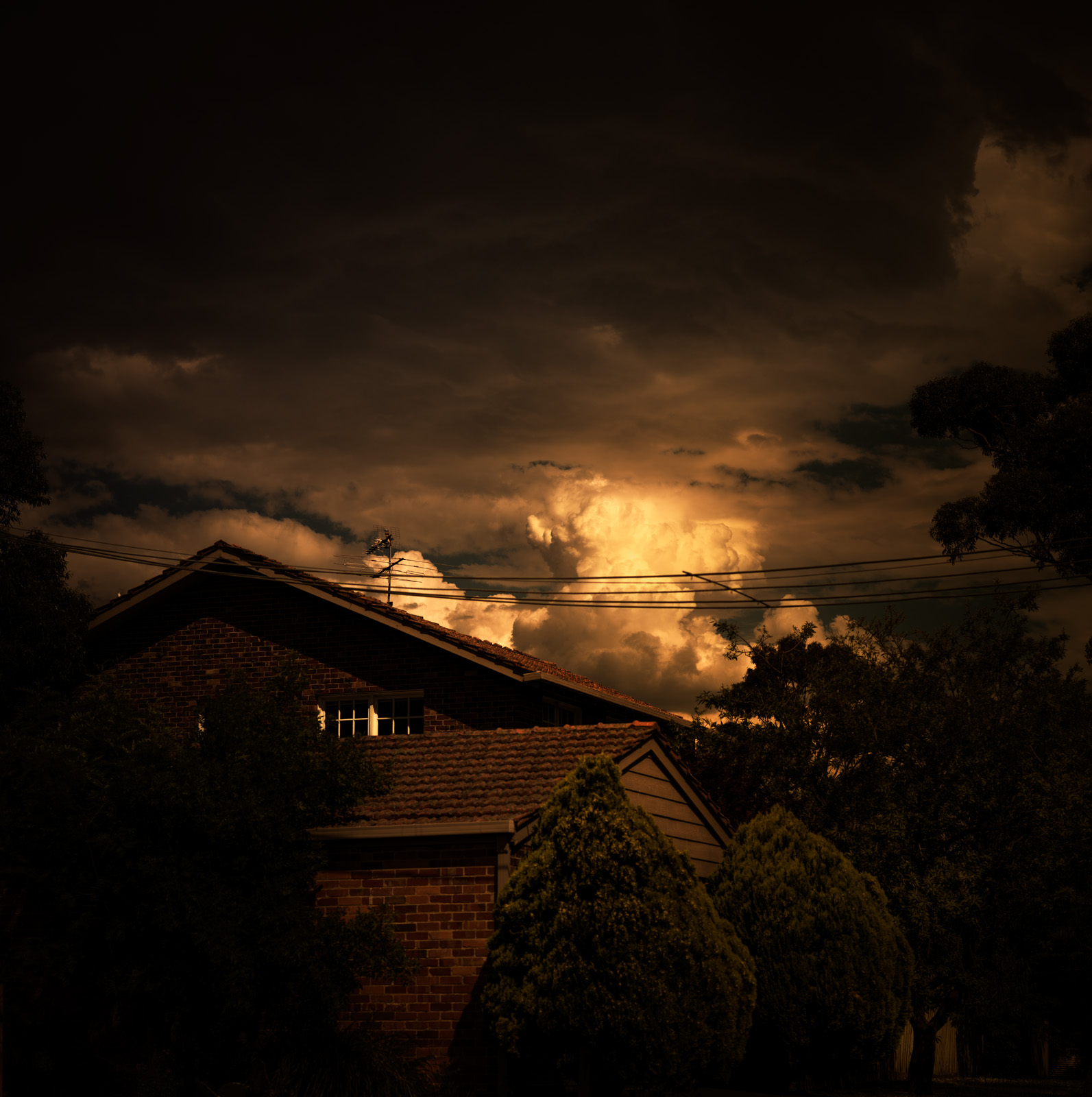
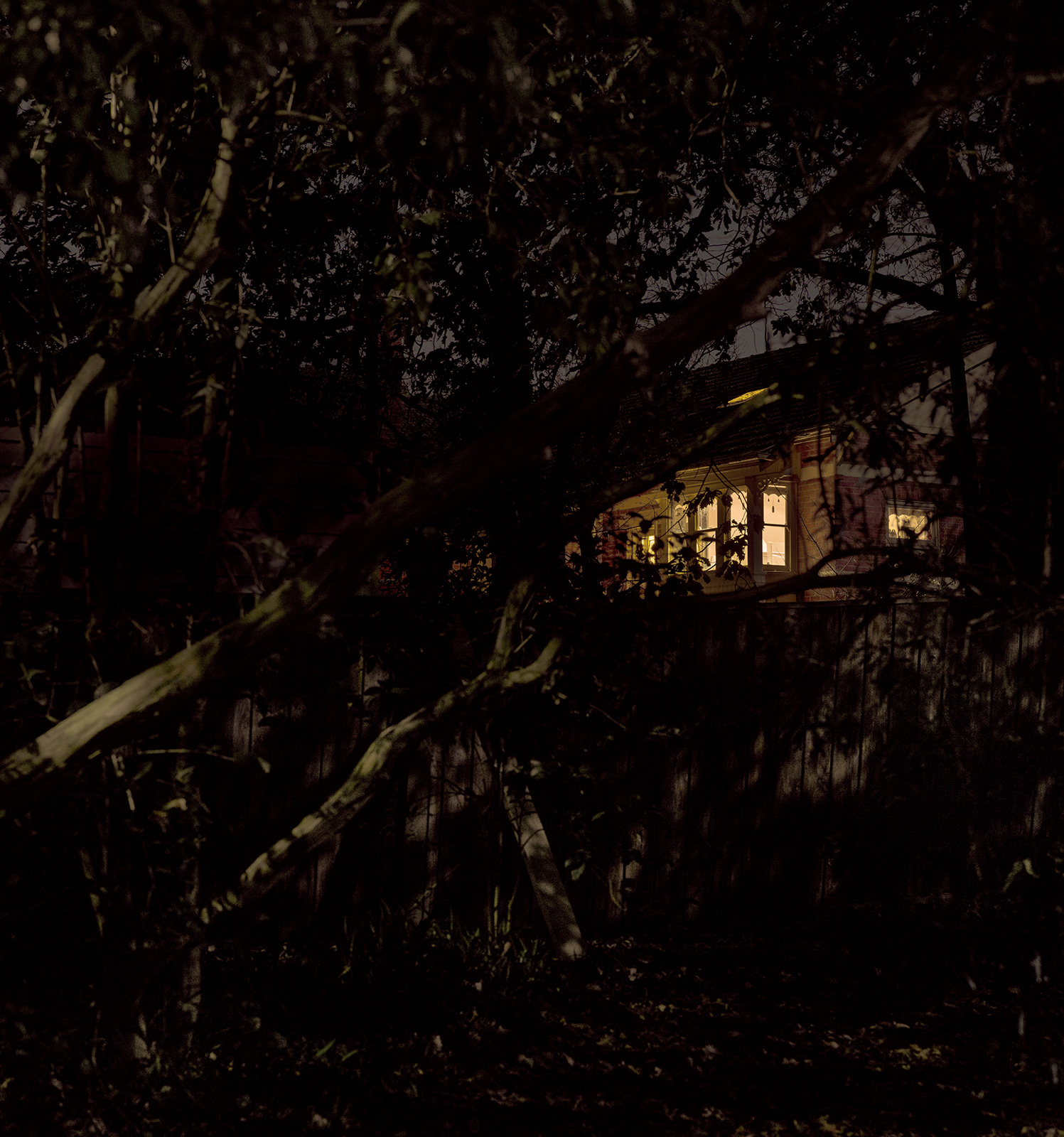
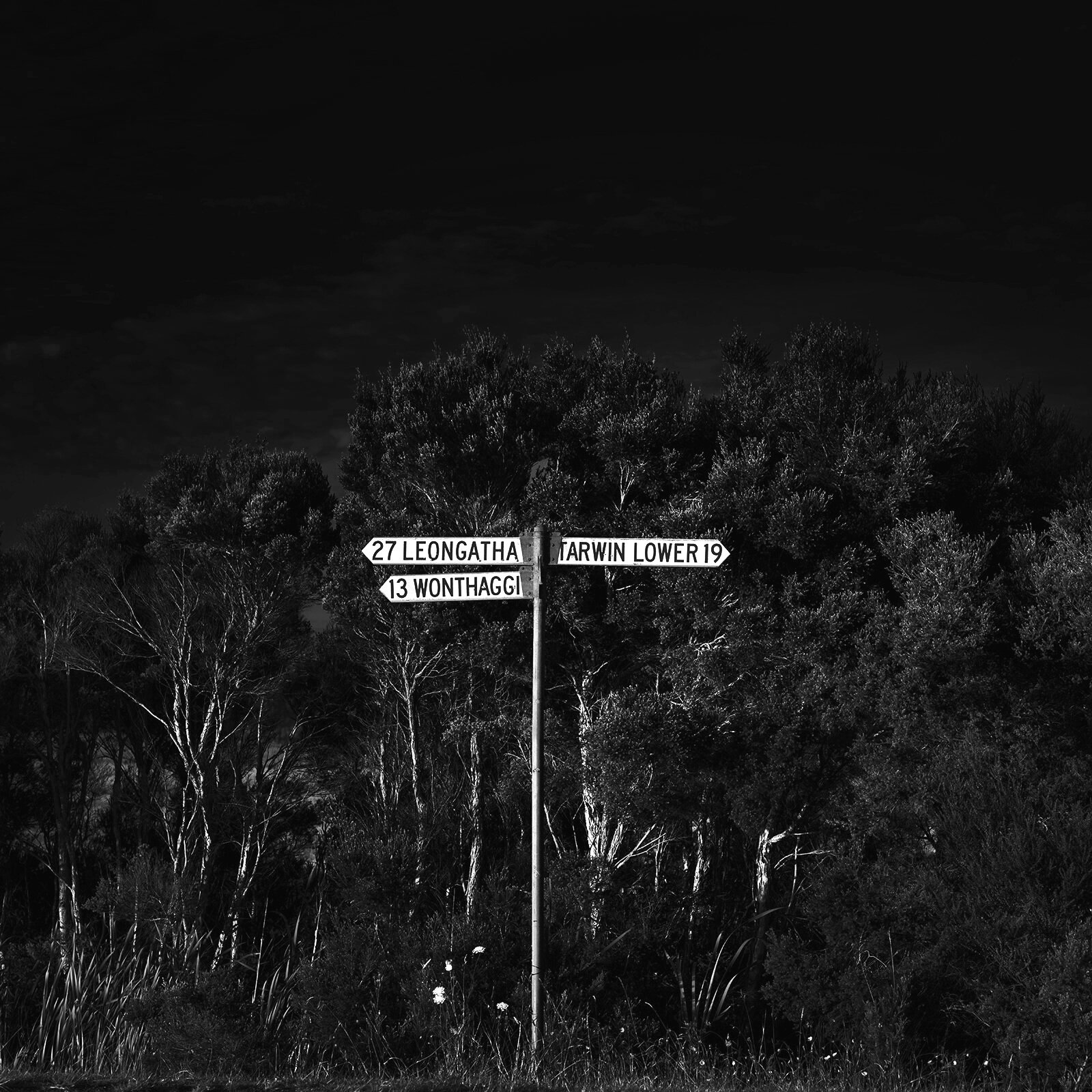
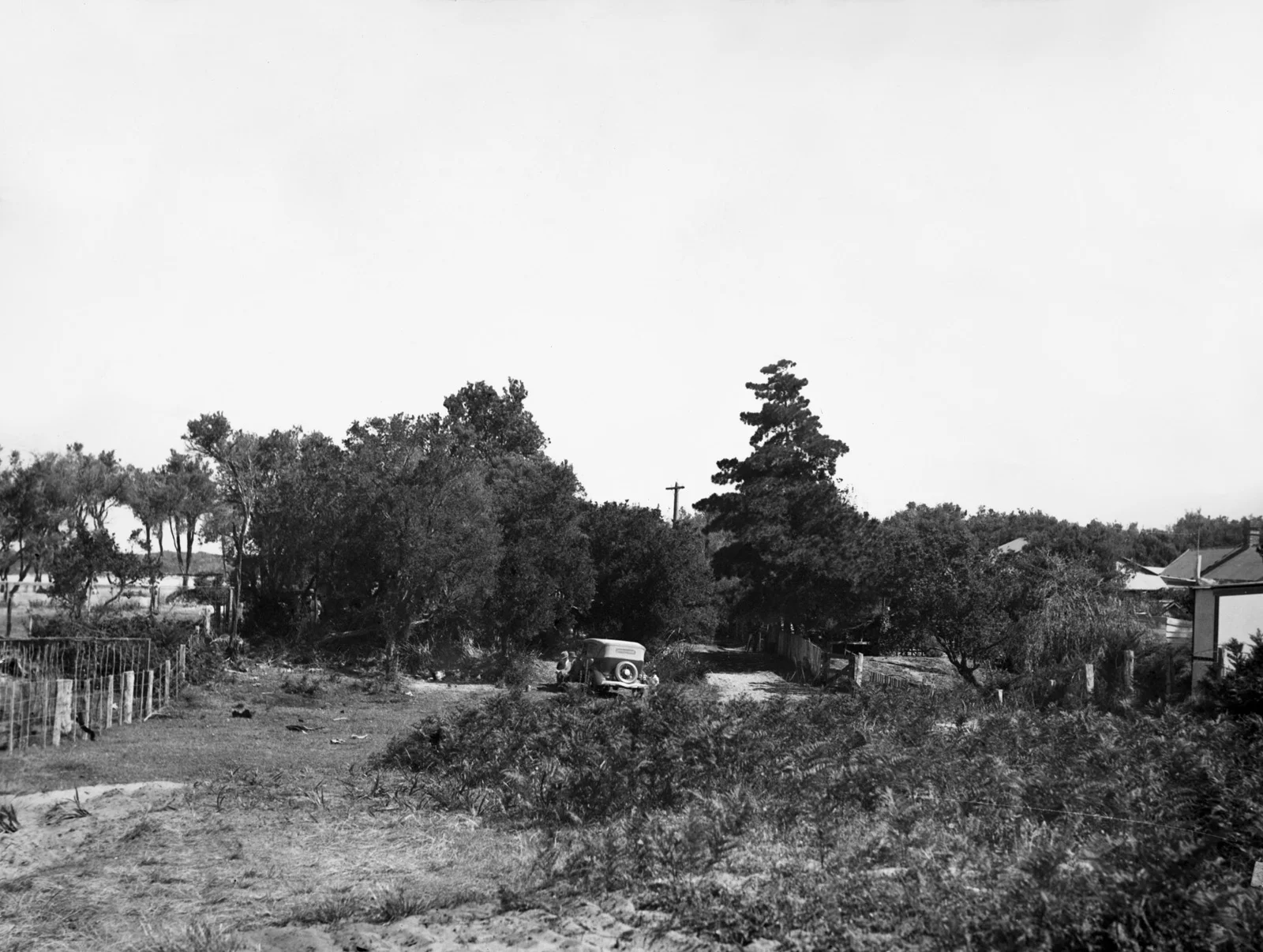
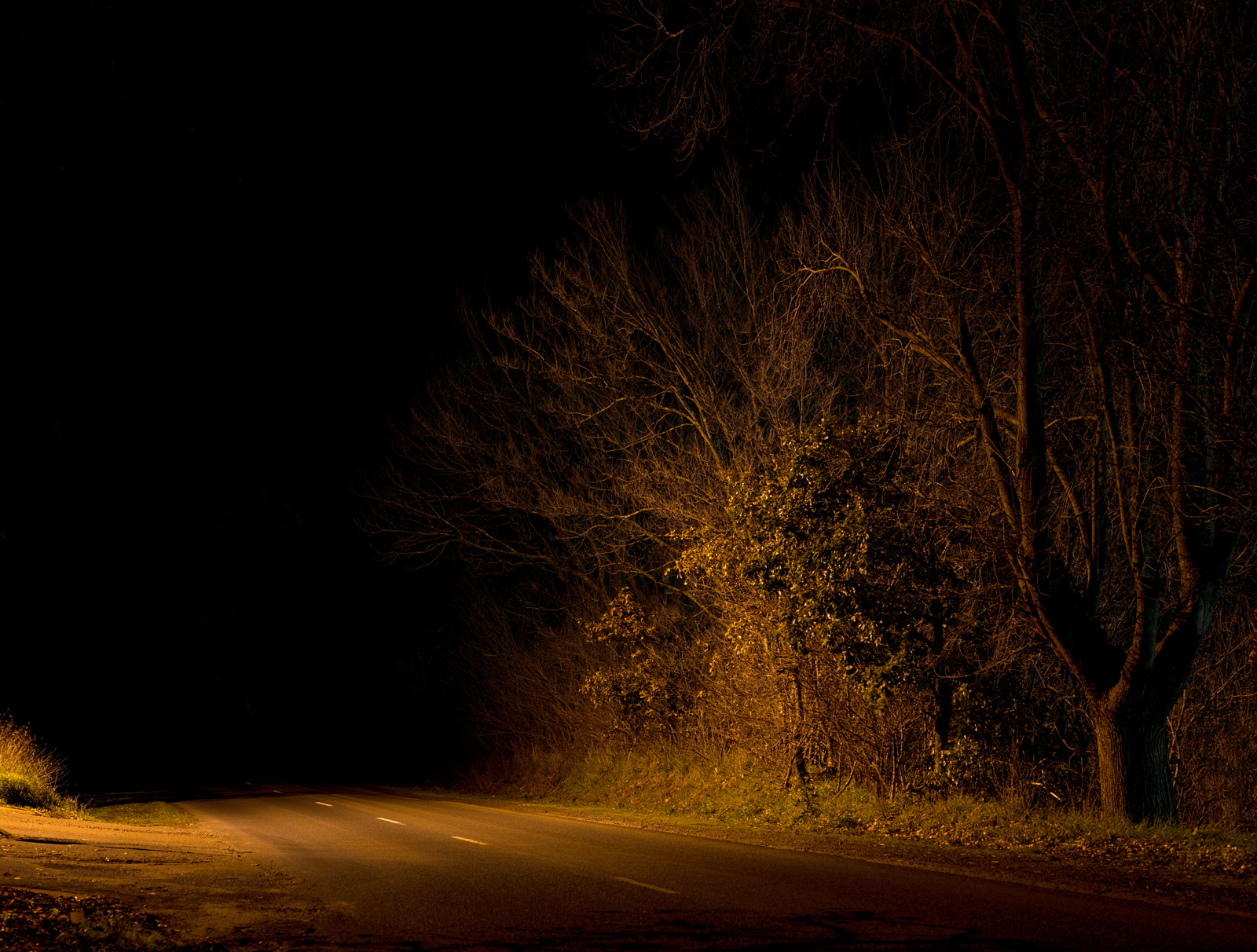
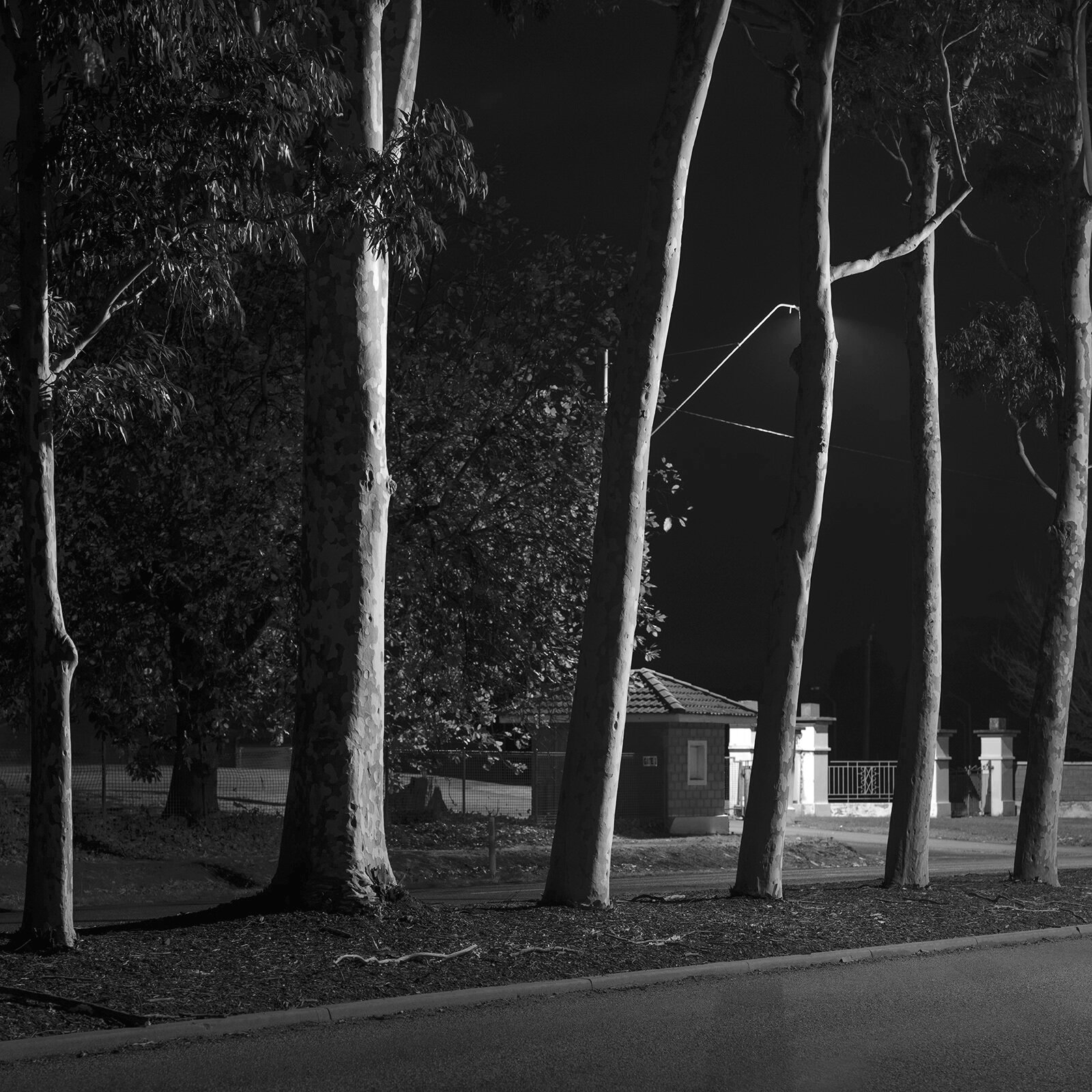
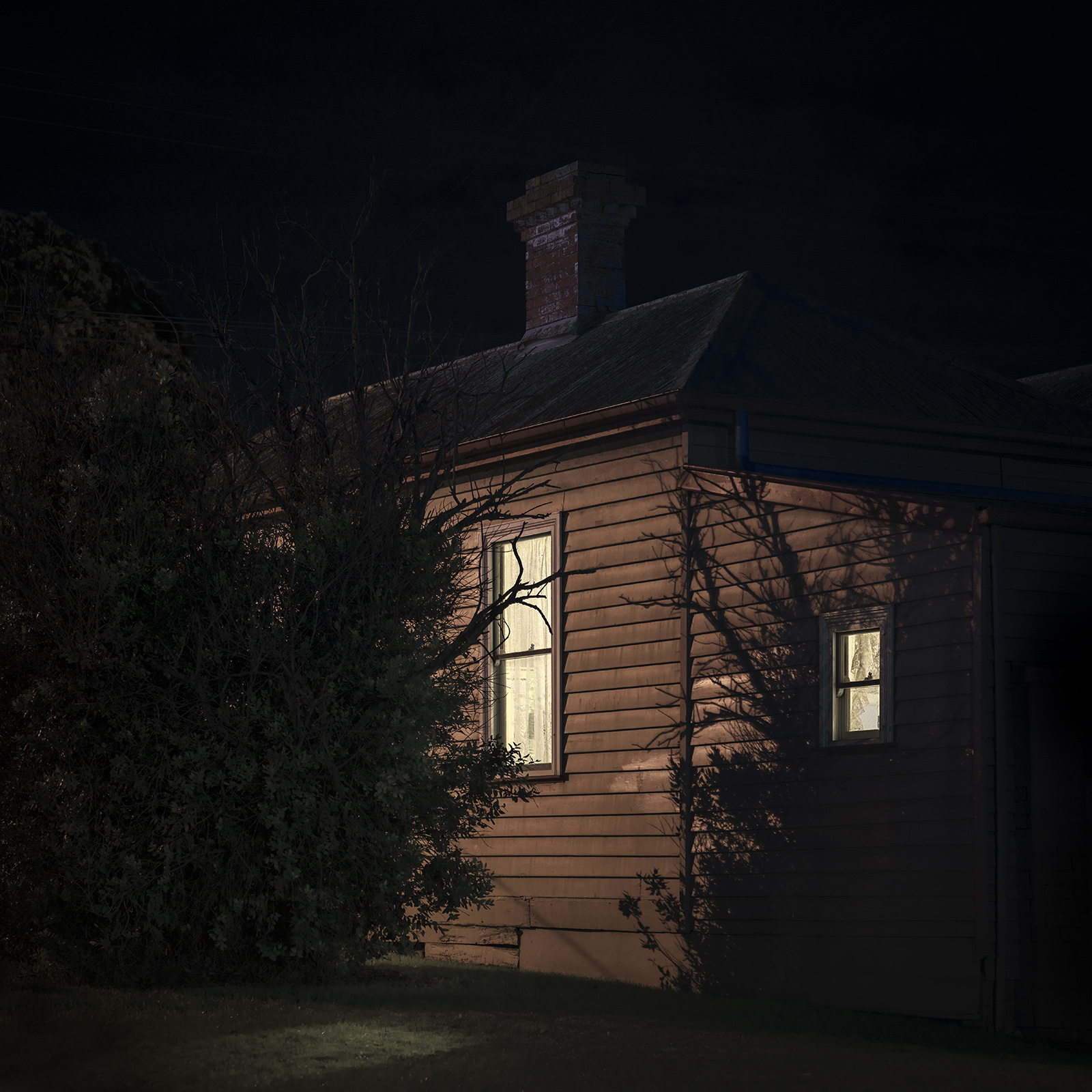
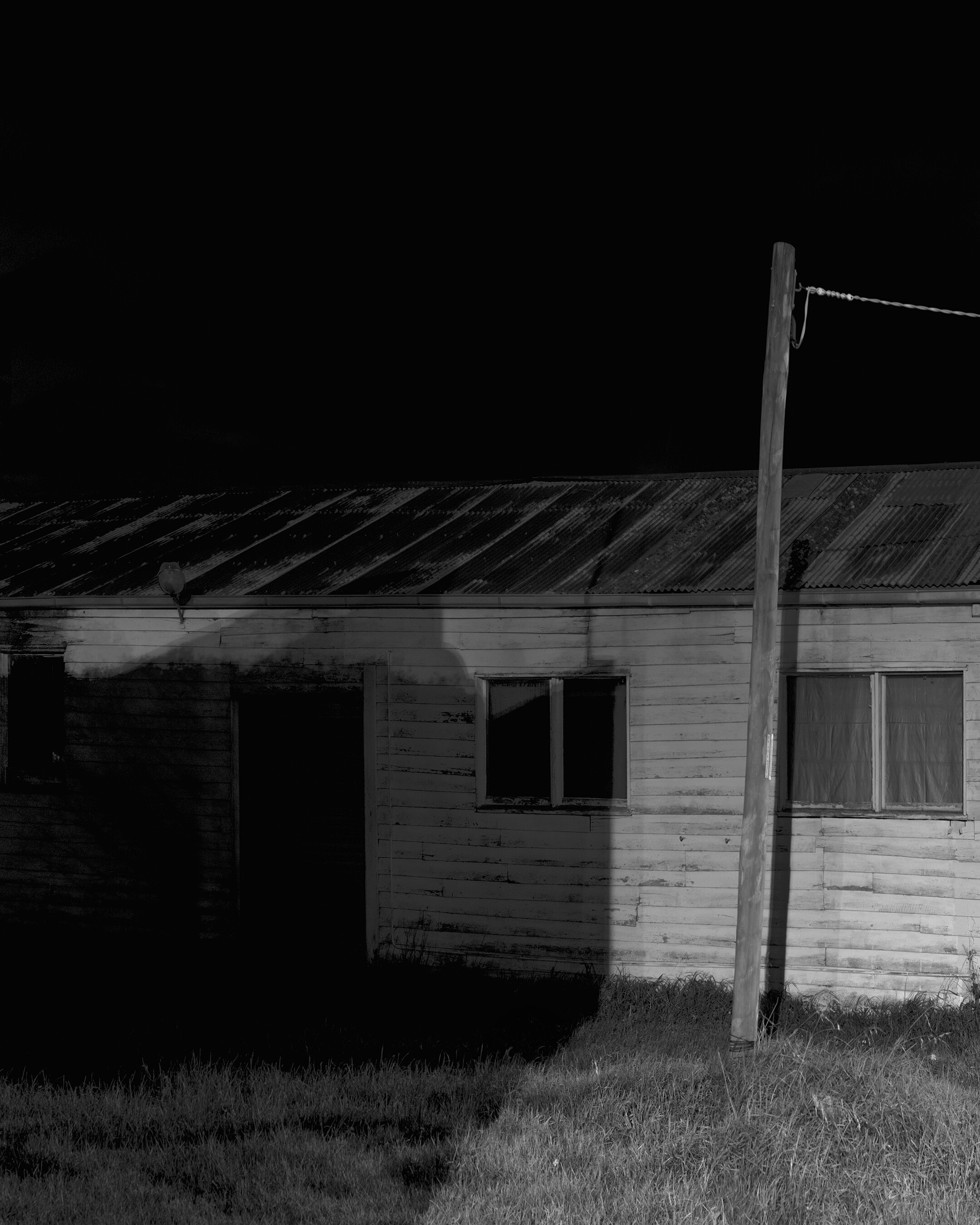
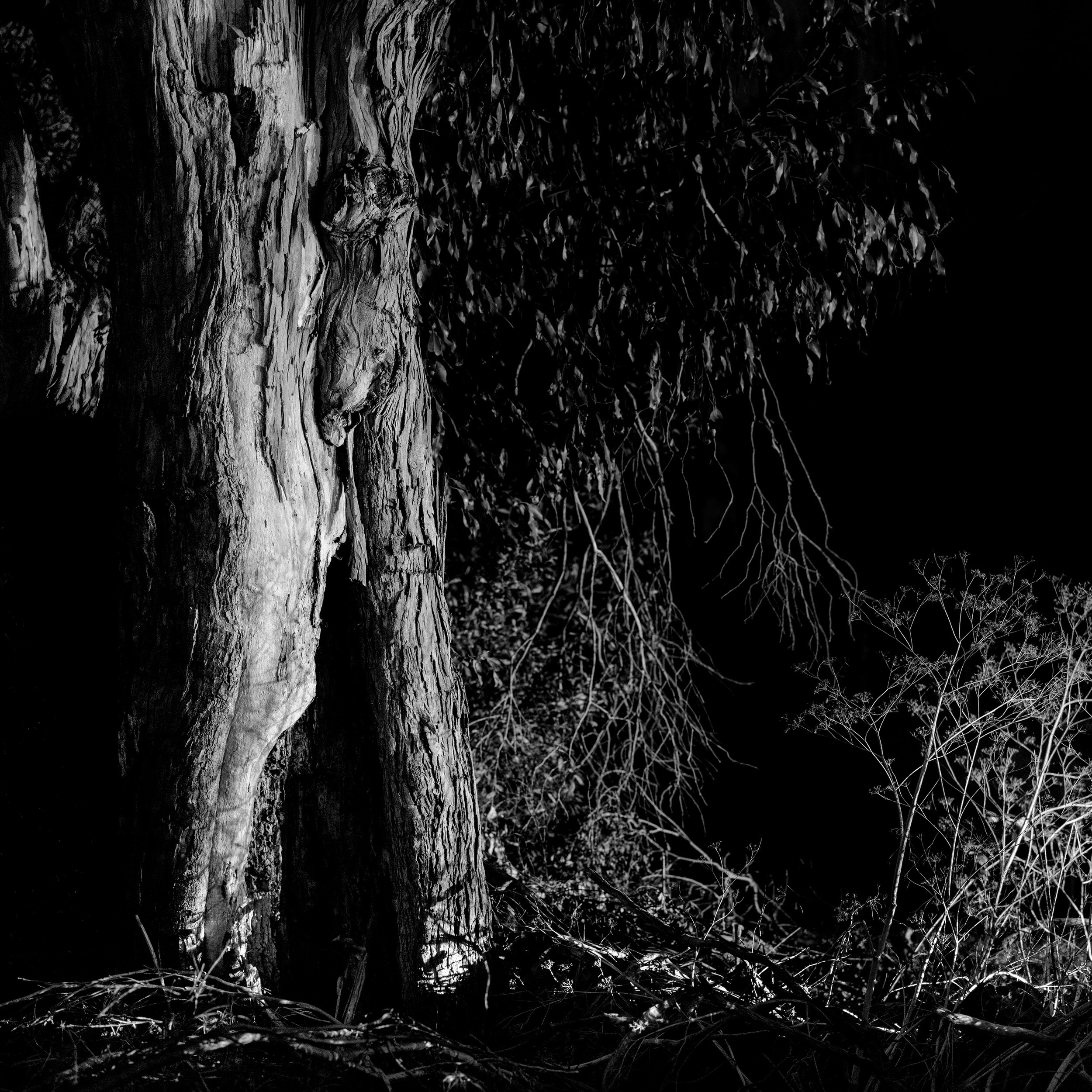
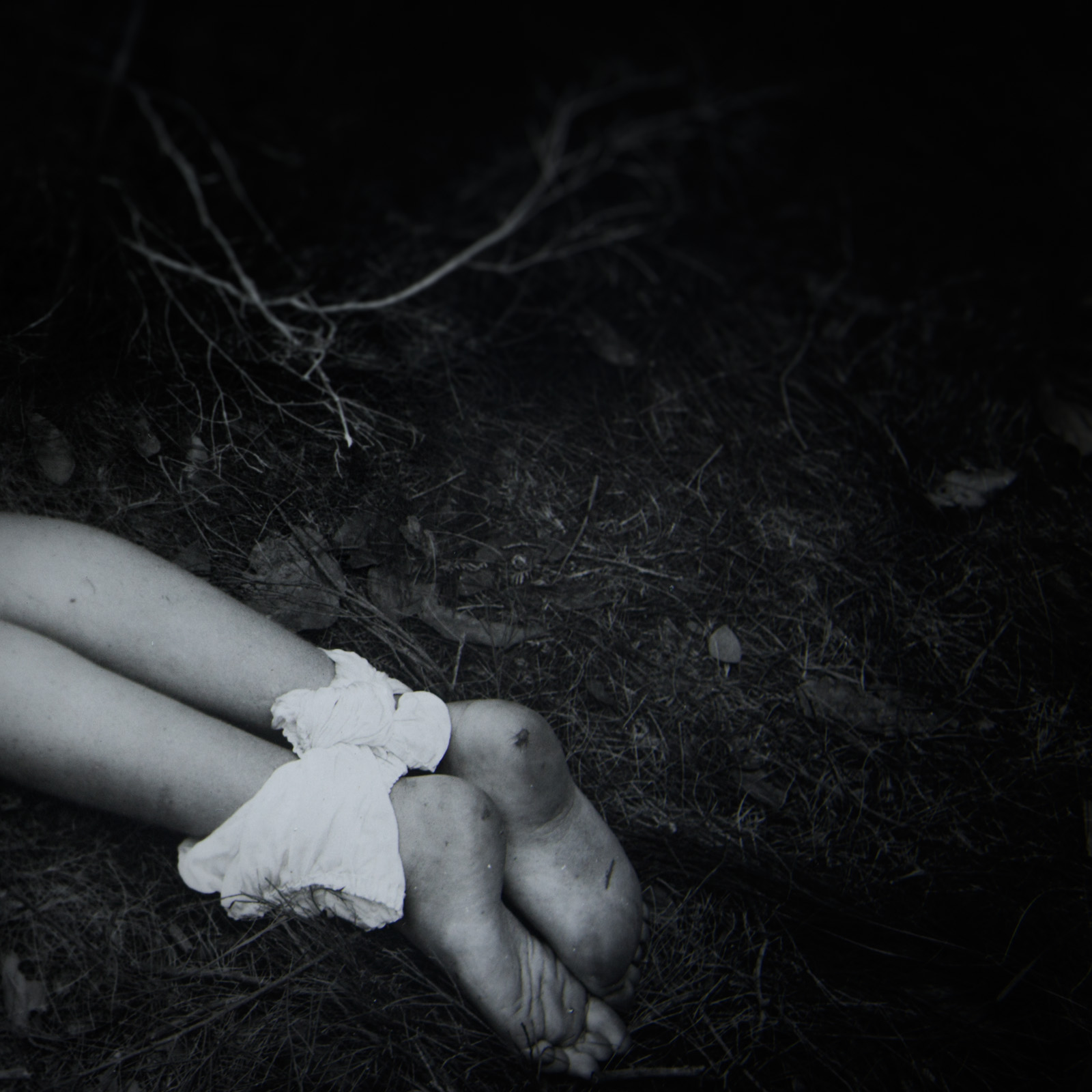
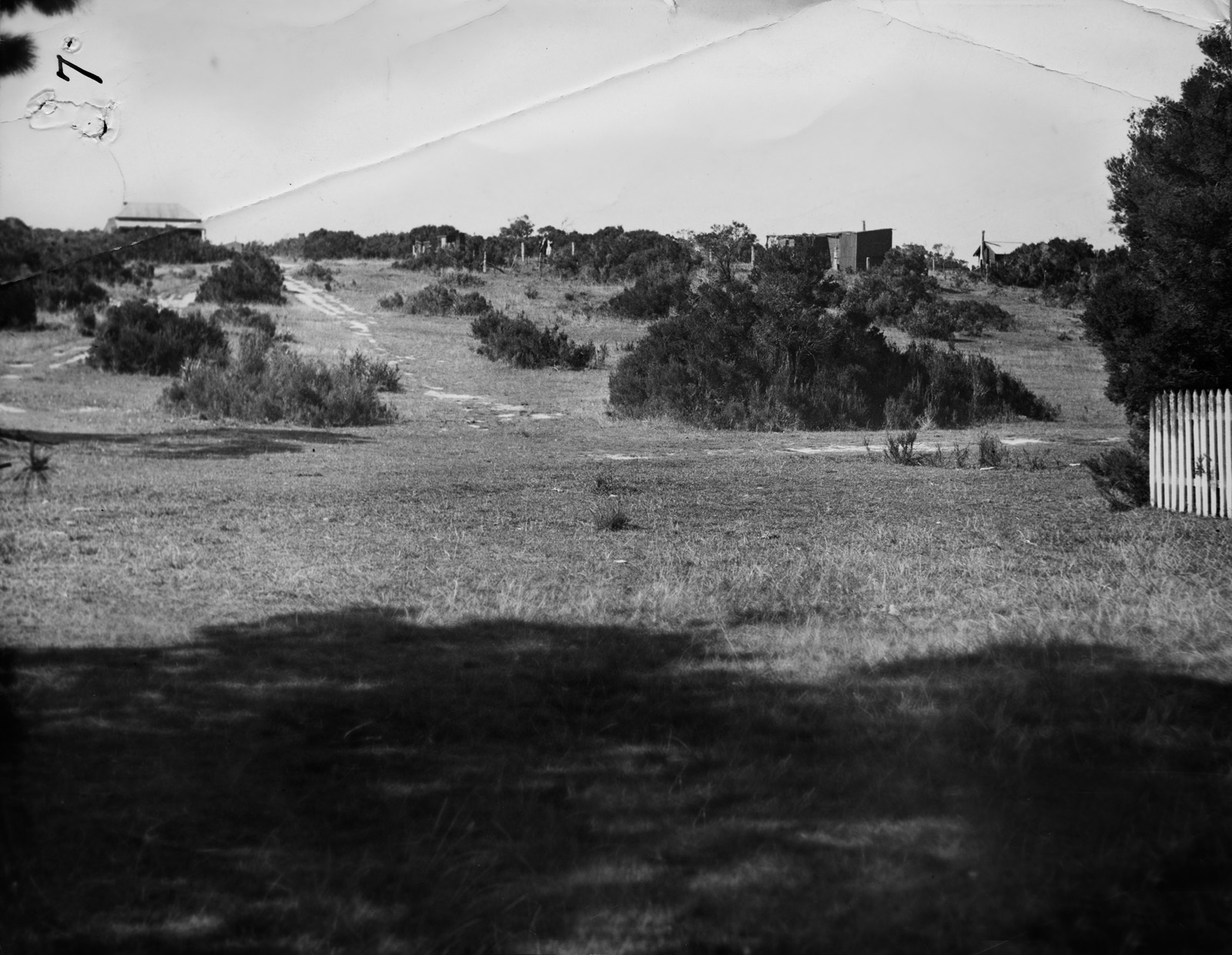
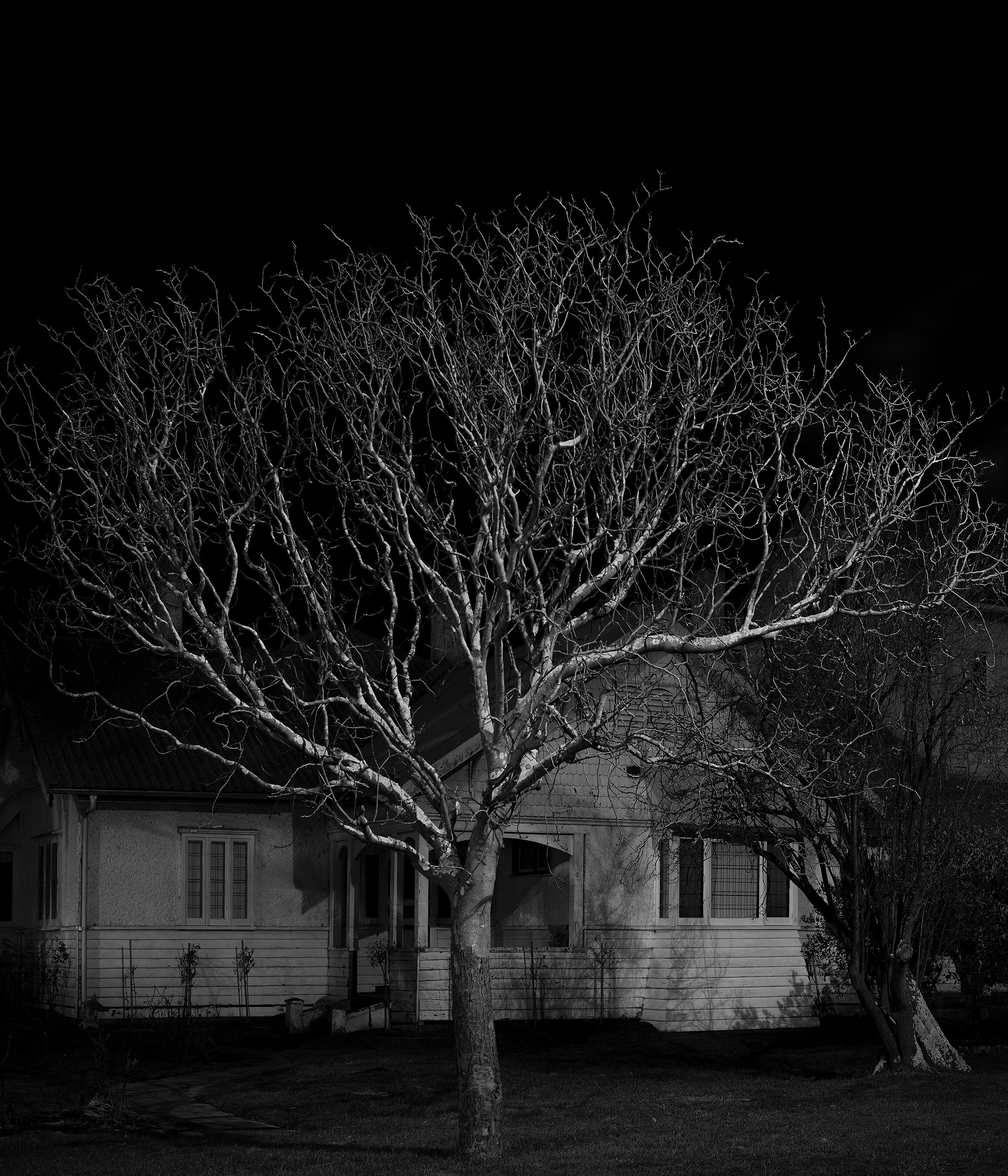
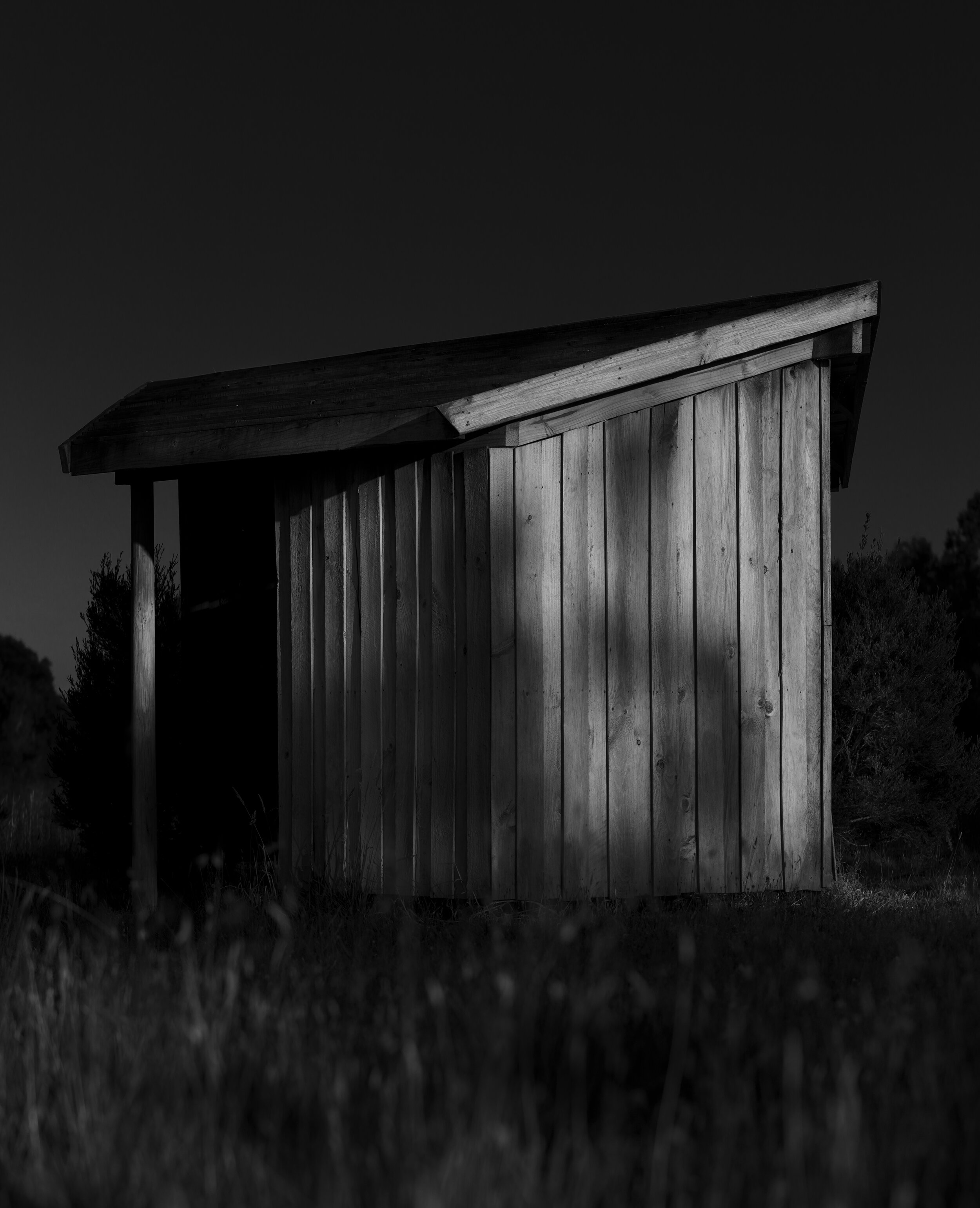
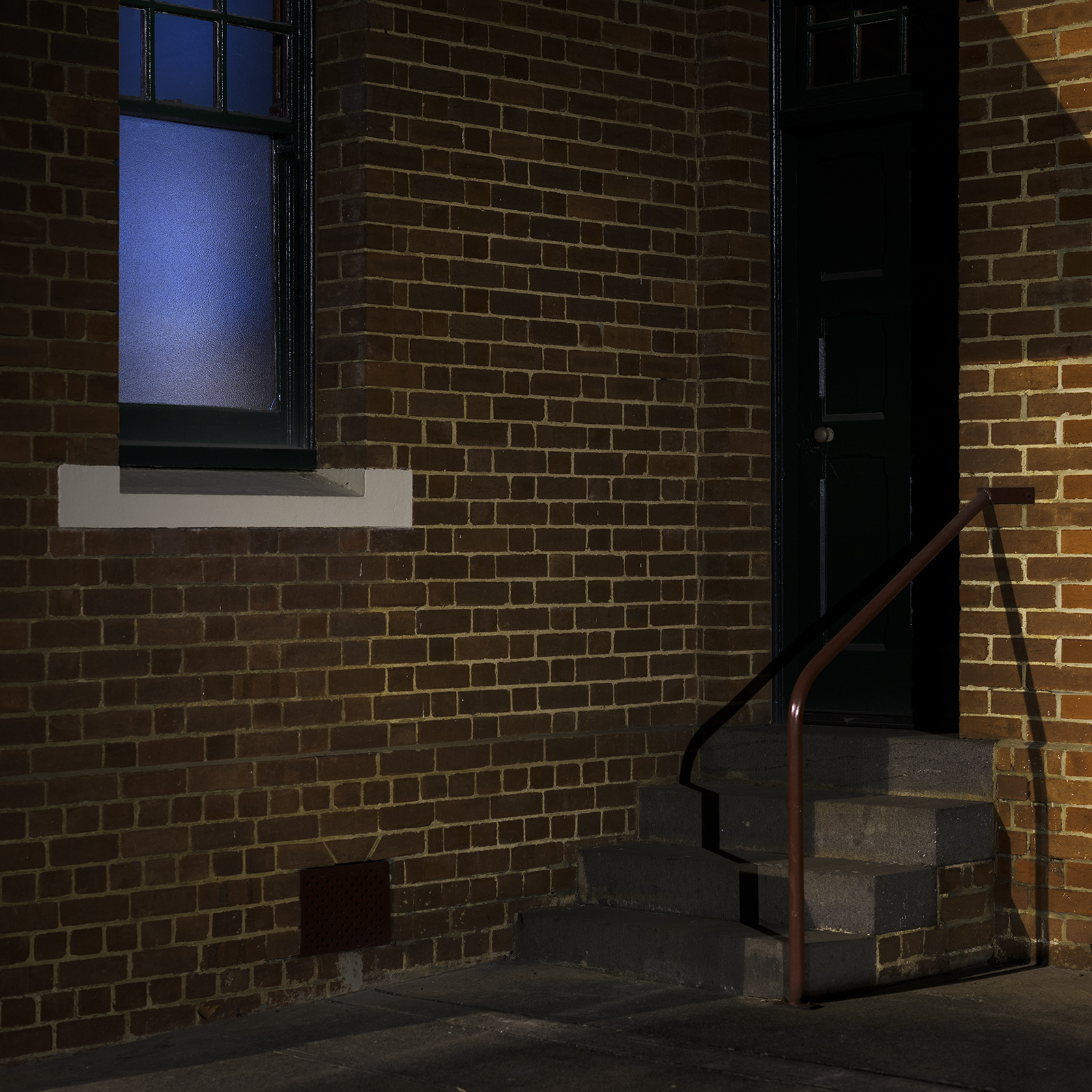
These samples from You Can’t Go Home Again offer an overview of the project’s larger means: documentation of court and investigative material; documentation of relevant sites (many demolished); the use (editing/alteration) of primary visual archival material, and the interpretive between: the space between the imaginative and the factual, memory and oblivion.
While the images shift between private and public memory, it interlaces with my own cloaked history: part of my childhood was spent on some of these same suburban streets as Sodeman's first victims, unaware of their stories, unburdened by their histories, while knowing these identical routes, houses, and gardens. Riding, the wind in my hair, pushing against the darkness. The futility of restitution.